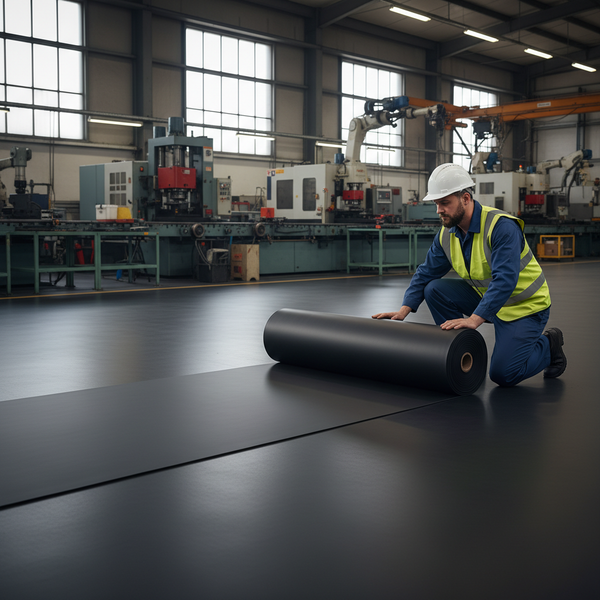
What is Rubber Sheet?
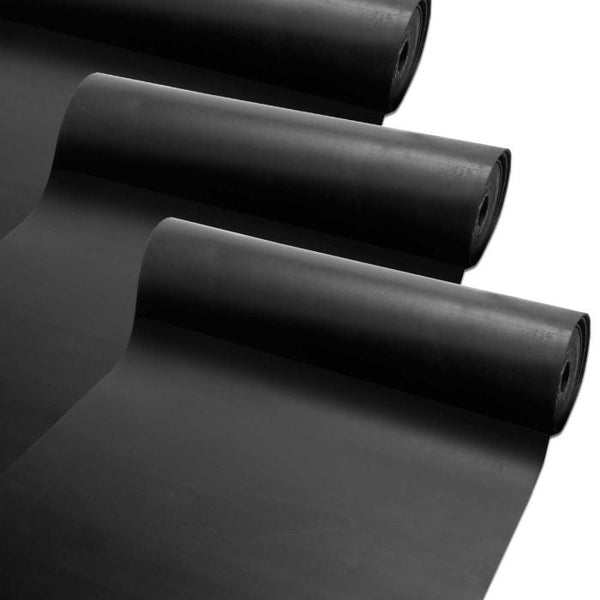
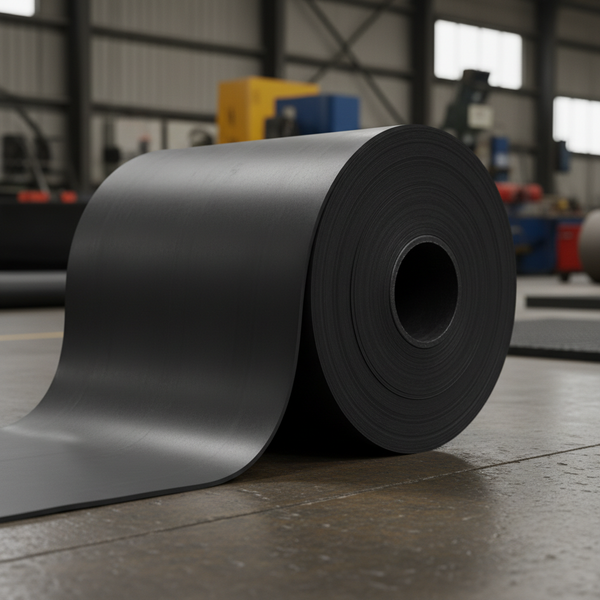
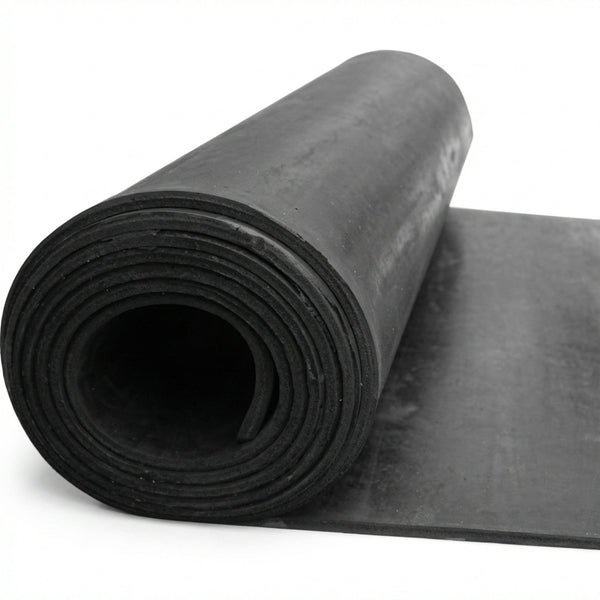
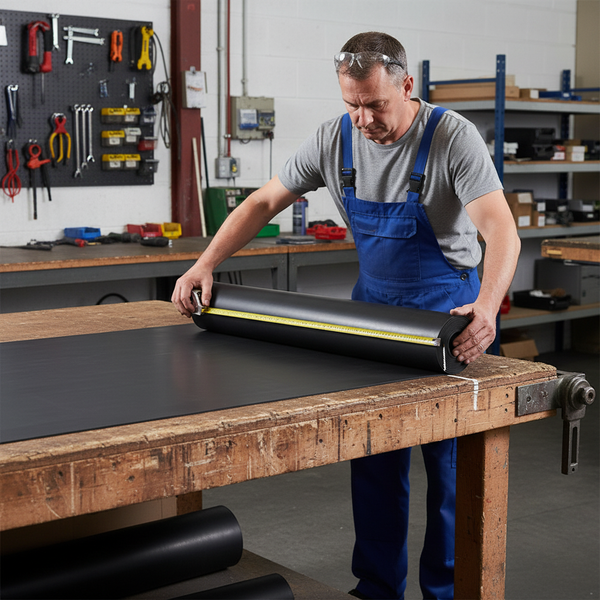
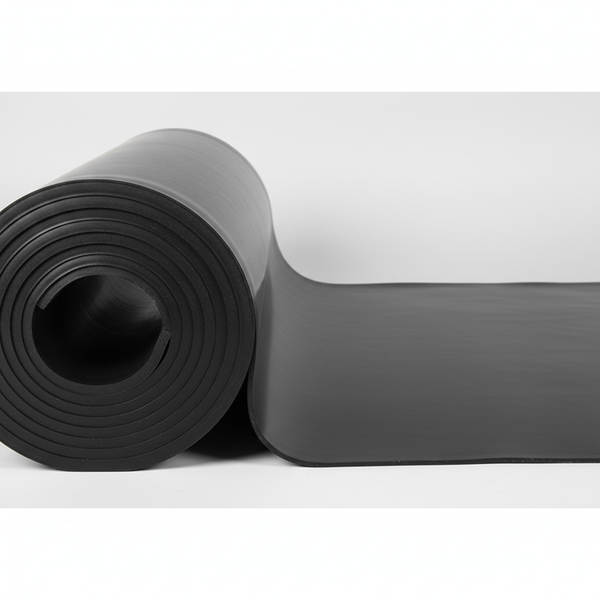
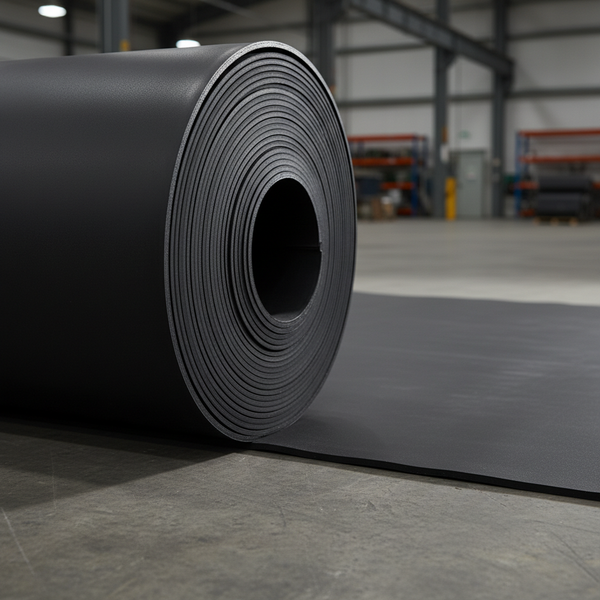
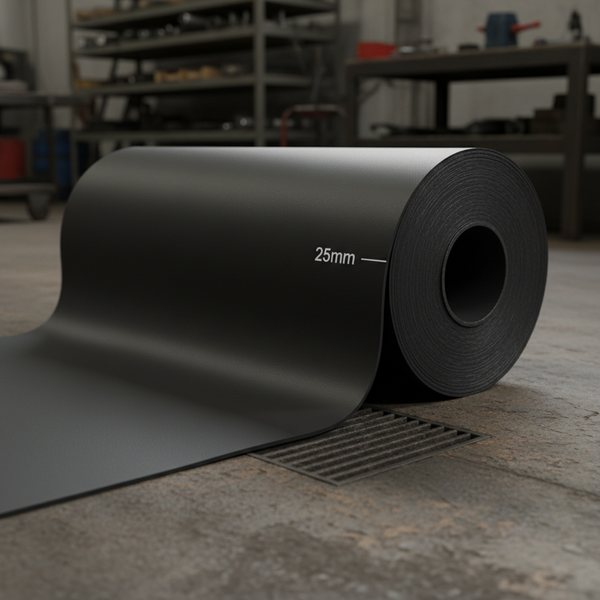
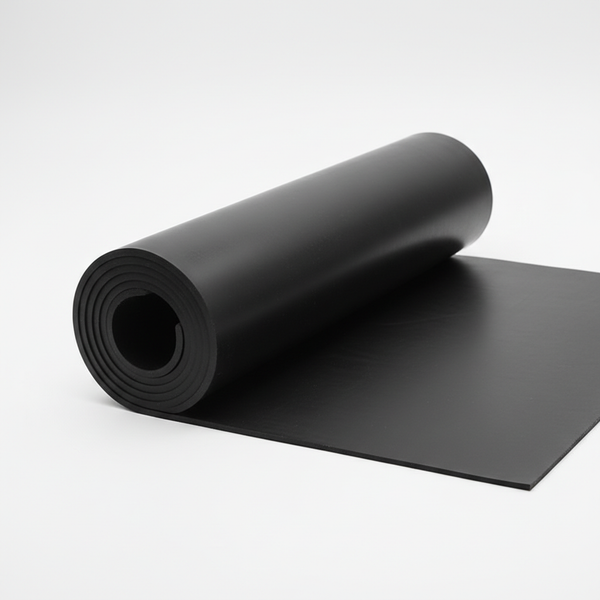
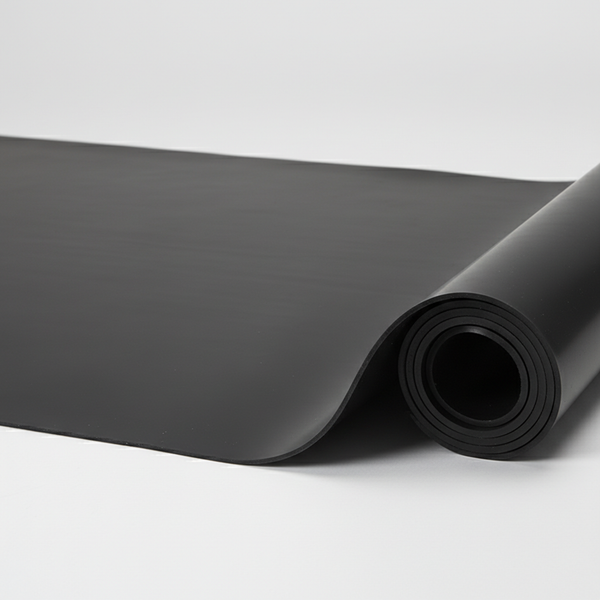
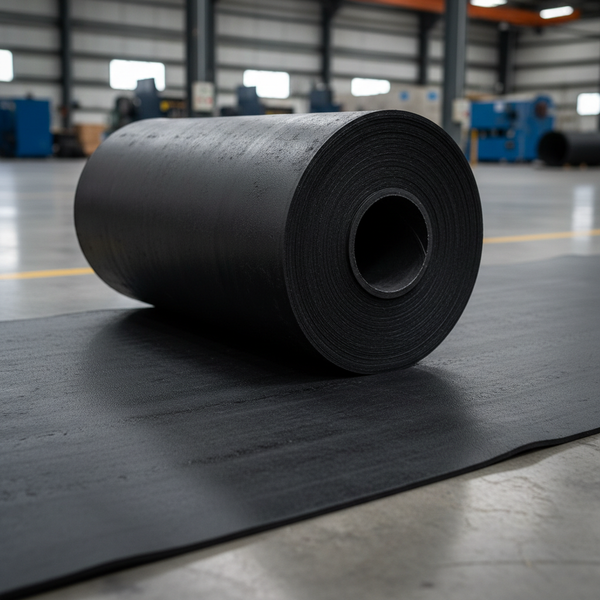
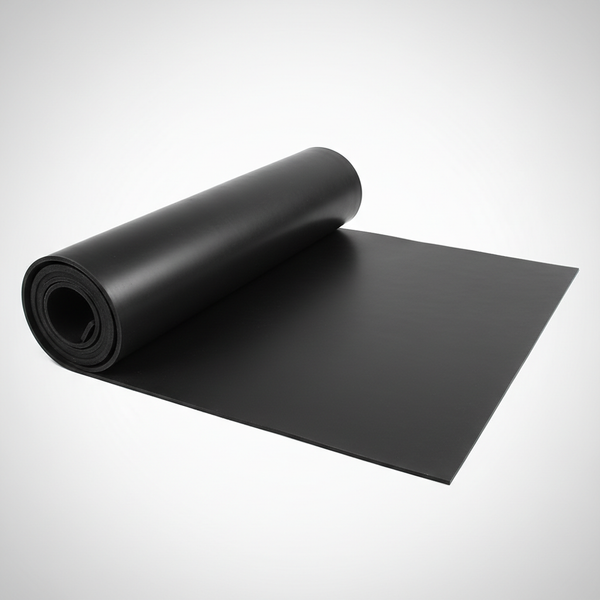
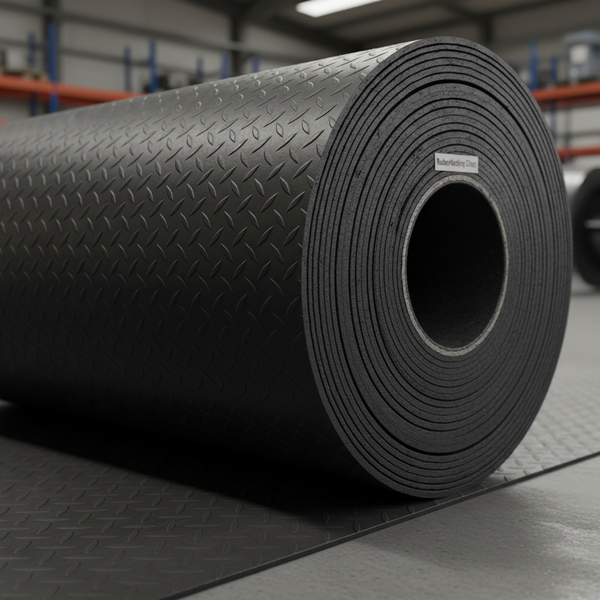
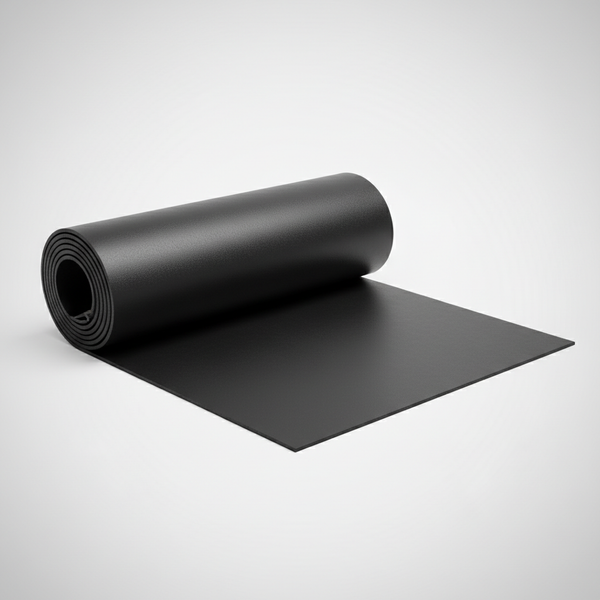
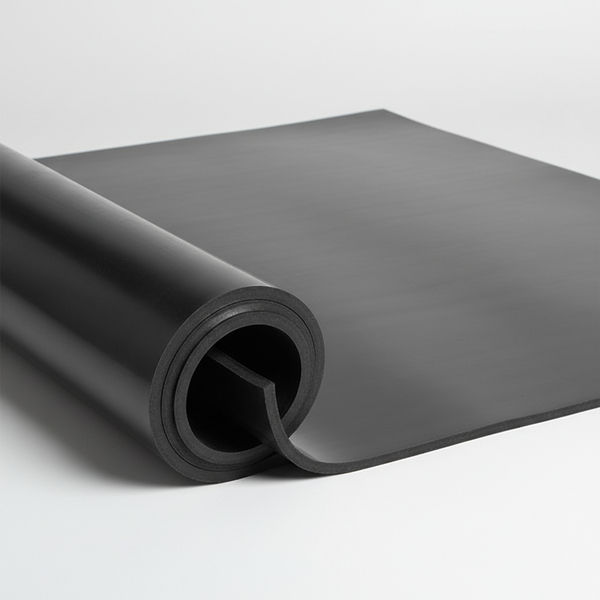
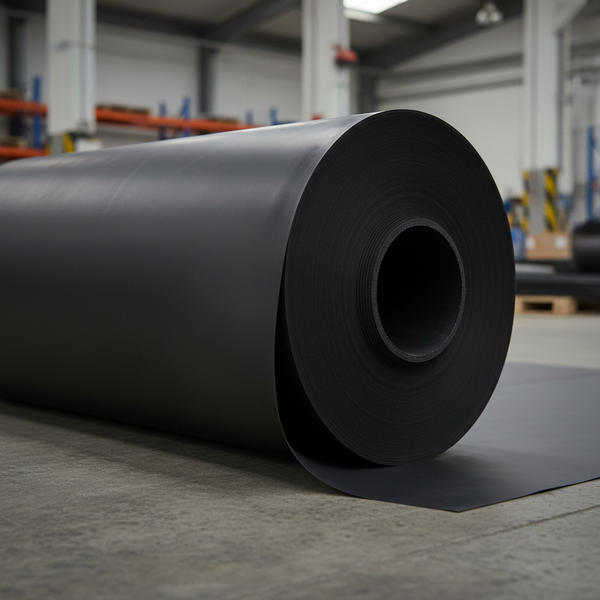
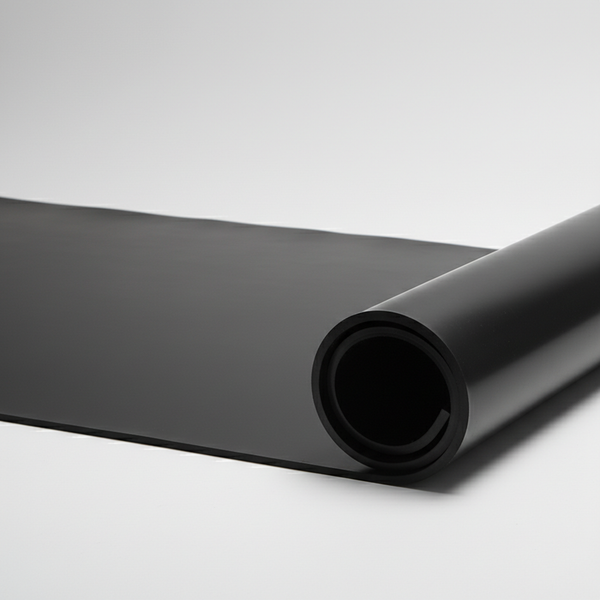
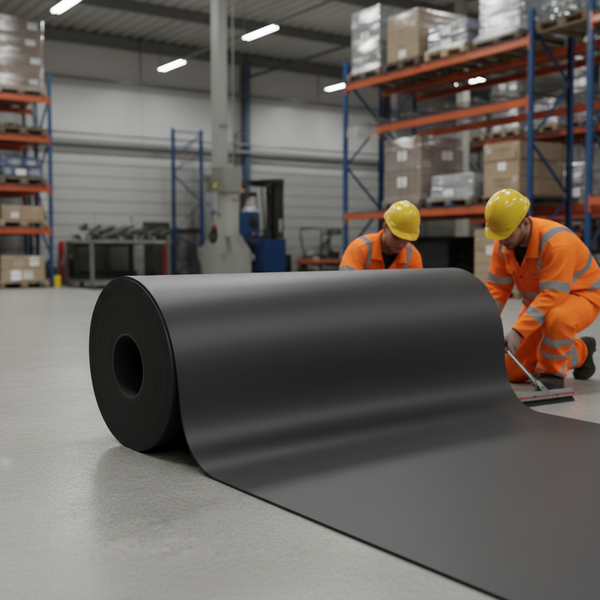
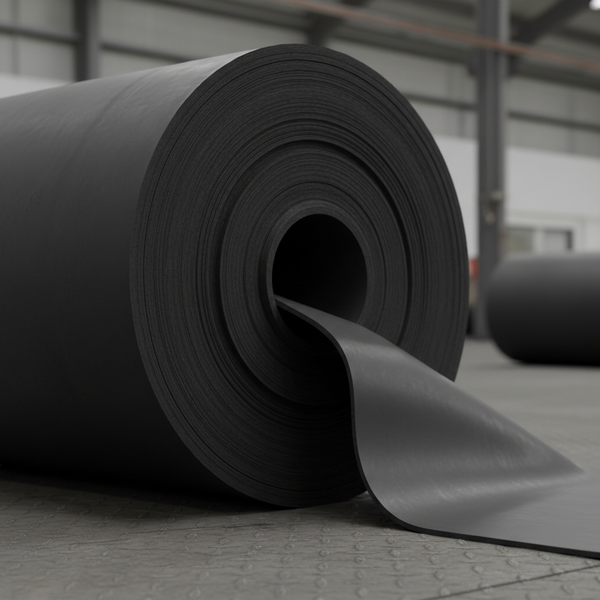
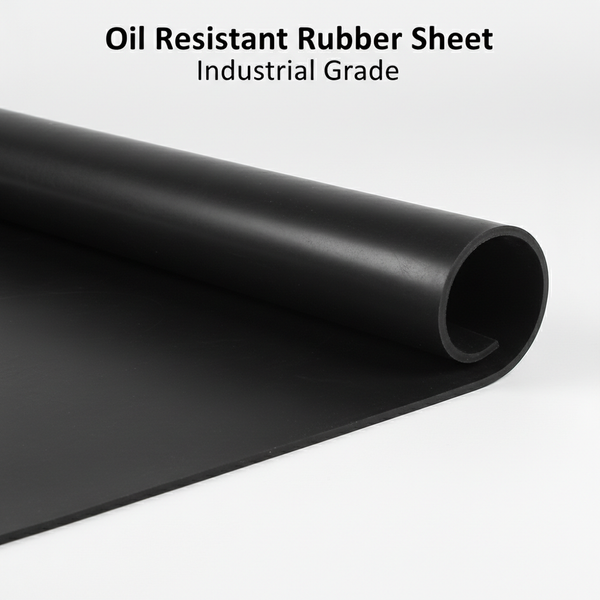
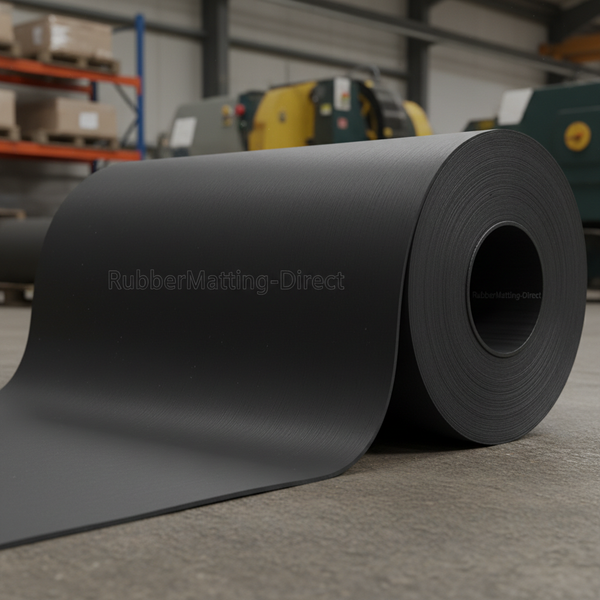
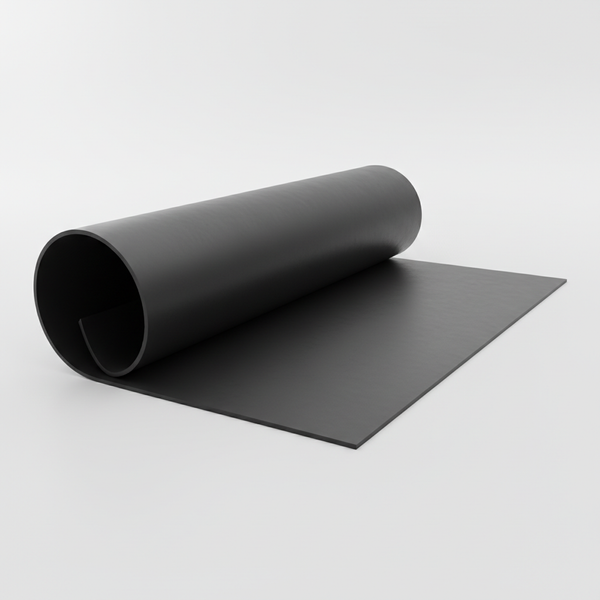
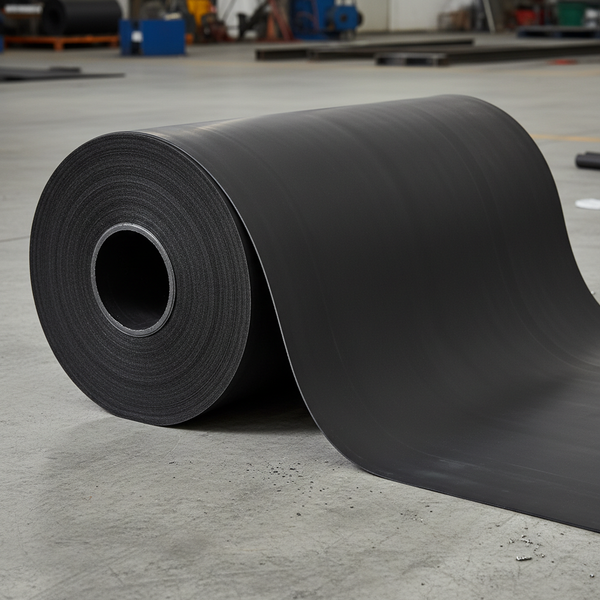
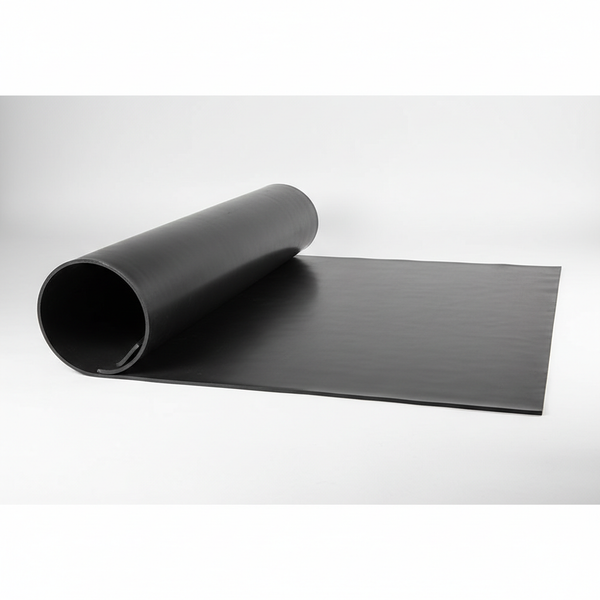
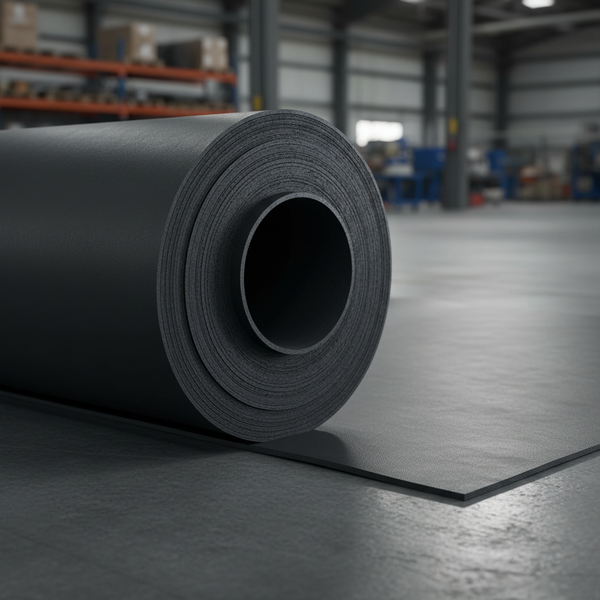
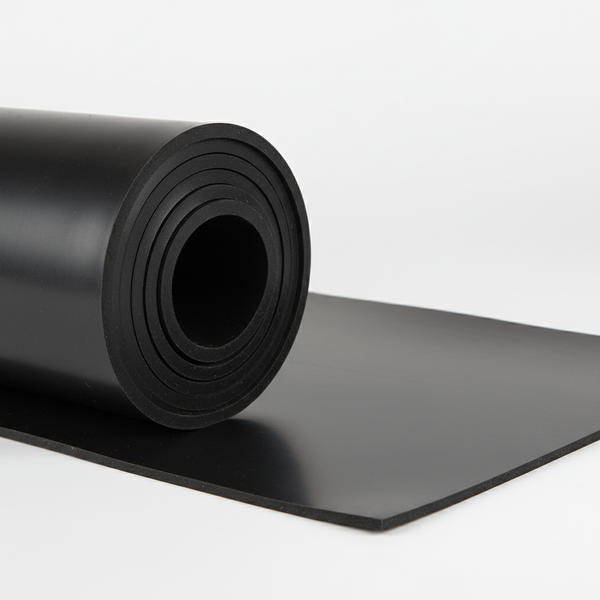
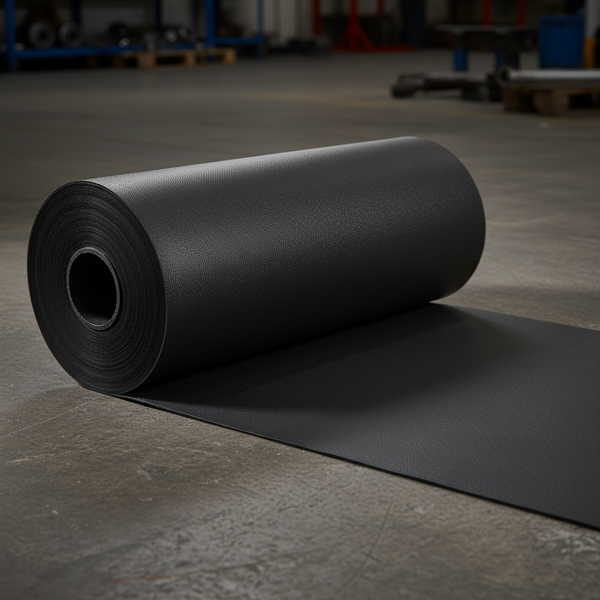
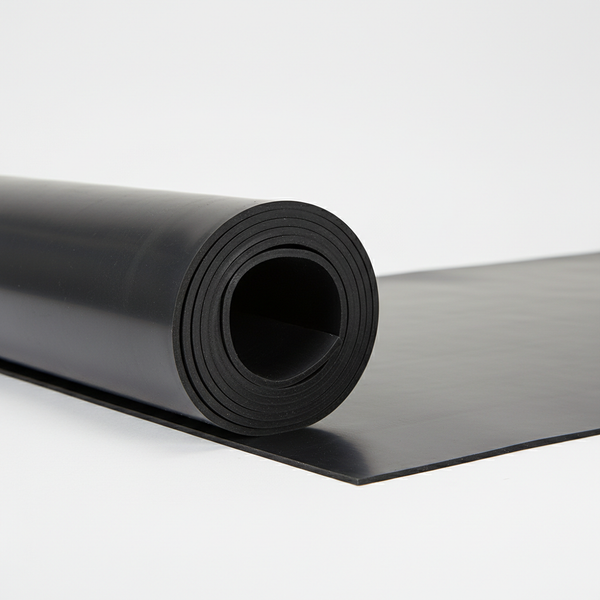
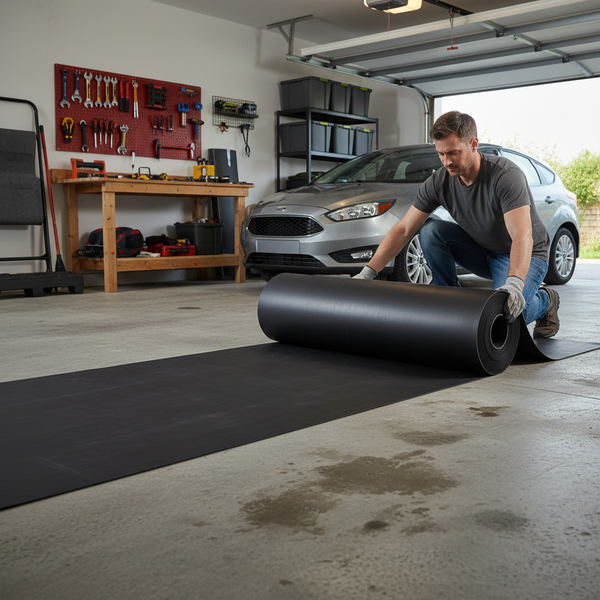
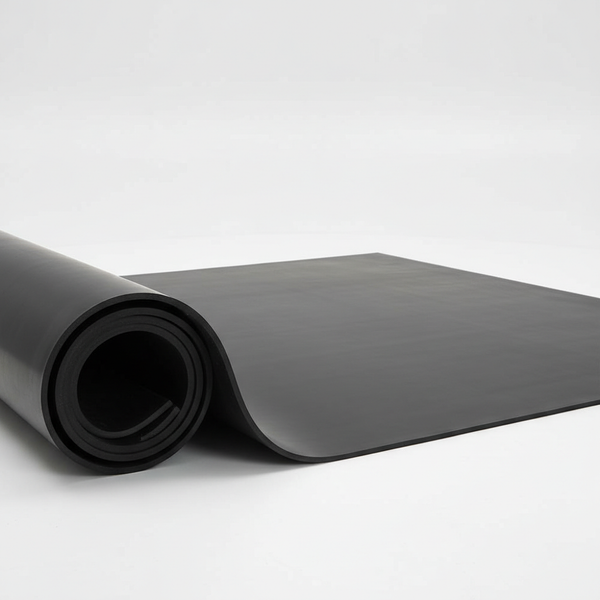
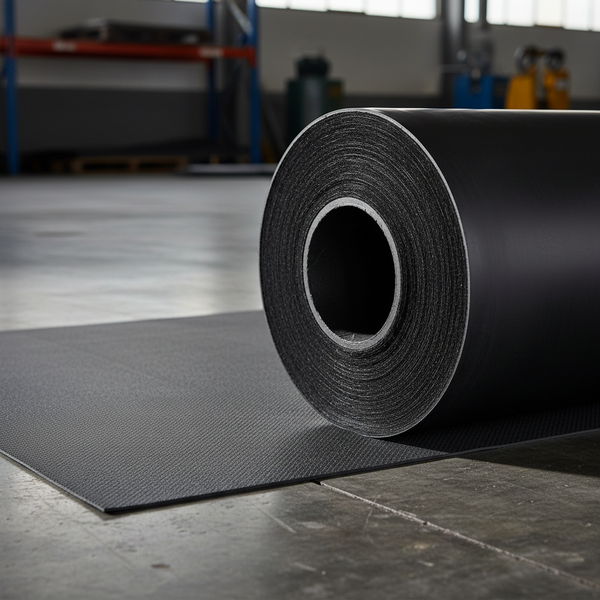
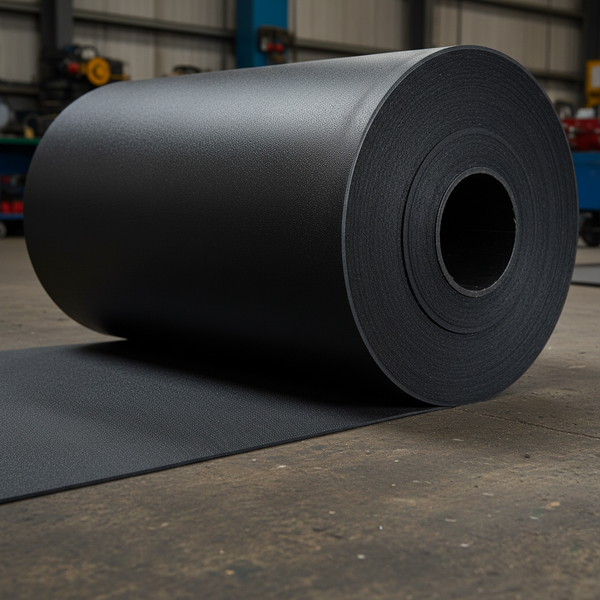
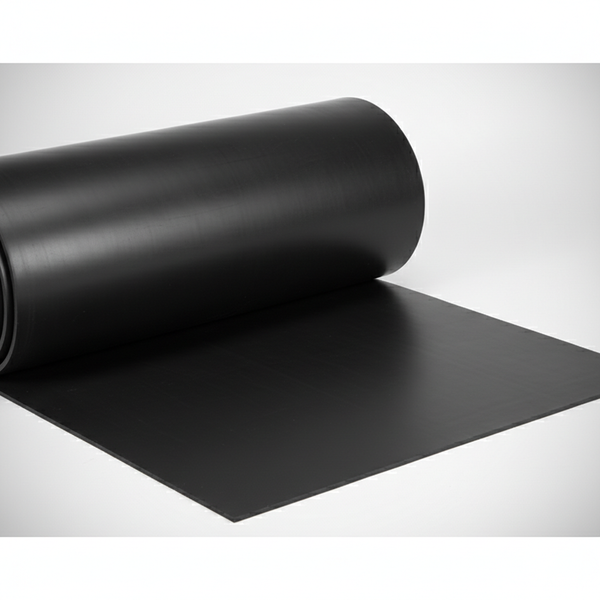
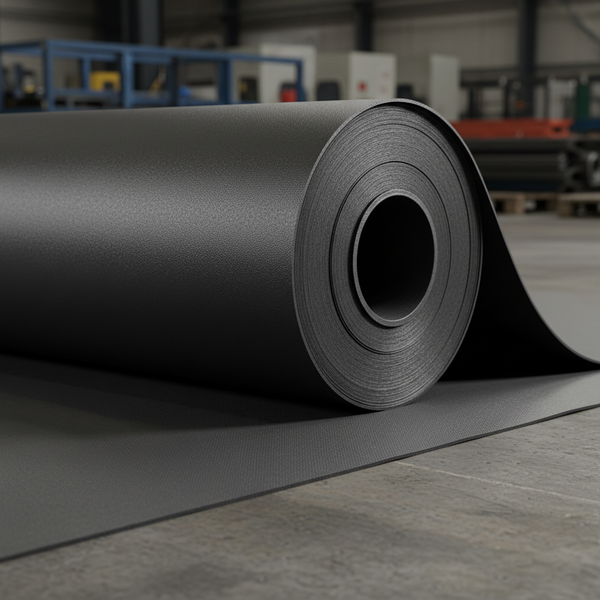
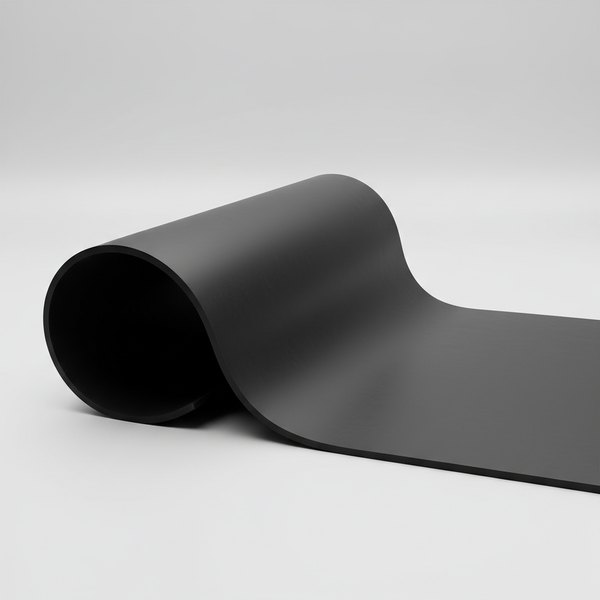
Rubber sheet is a flat, continuous sheet of vulcanised rubber — manufactured by calendering or extrusion — supplied in roll form or as cut sheets, in thicknesses from 1.5mm to 50mm. It is a fundamental engineering and industrial material used across the UK in applications as diverse as gasket cutting, pond lining, machine vibration isolation, electrical insulation, agricultural tank lining, and acoustic dampening.
Unlike rubber matting (which is a finished floor covering with textured surfaces), rubber sheet is a technical material valued primarily for its material properties: chemical resistance, elasticity, impermeability, temperature range, and electrical insulation. The correct compound and specification depends entirely on the application environment — choosing the wrong rubber sheet compound is the most common and costly mistake.
We stock over 60 rubber sheet products across all major compounds — EPDM, SBR, neoprene, nitrile, and natural rubber — in widths to 1.4m and thicknesses from 1.5mm to 25mm, all available cut to size. Free UK delivery on all orders, same-day dispatch on orders before 2pm.
Rubber Sheet Compounds — Which Do You Need?
The five main rubber sheet compounds each have a distinct performance profile. Selecting the correct compound is the single most important specification decision.
EPDM Rubber Sheet
Ethylene Propylene Diene Monomer — the outdoor and weathering specialist. EPDM rubber sheet is UV-stable, ozone-resistant, and remains flexible from −40°C to +120°C. It is the correct compound for: outdoor seals and gaskets, roofing applications, pond lining, water feature membranes, expansion joint filling, and any application with prolonged weather or UV exposure. EPDM is non-toxic to aquatic life, making it the standard for fish ponds and garden water features. Not suitable for petroleum product contact.
SBR Rubber Sheet
Styrene Butadiene Rubber — the general-purpose workhorse. Manufactured from 90%+ recycled rubber, SBR sheet is abrasion-resistant, cost-effective, and suitable for a wide range of non-specialist indoor applications. Use for: general industrial gaskets, workshop floor underlays, impact protection pads, conveyor system components, and agricultural applications without chemical exposure. SBR degrades under UV and petroleum products — not suitable for outdoor permanent use or oil environments.
Neoprene Rubber Sheet
Neoprene (polychloroprene / CR) offers the broadest chemical resistance envelope of the standard rubber compounds: good oil resistance, good weather resistance, good flame resistance, and moderate ozone resistance simultaneously. This balance makes neoprene the standard choice for: marine applications, HVAC duct seals, vibration isolation mounts, refrigeration gaskets, and applications requiring both oil and weather resistance where nitrile or EPDM alone would be one-dimensional. Temperature range: −40°C to +100°C.
Nitrile (NBR) Rubber Sheet
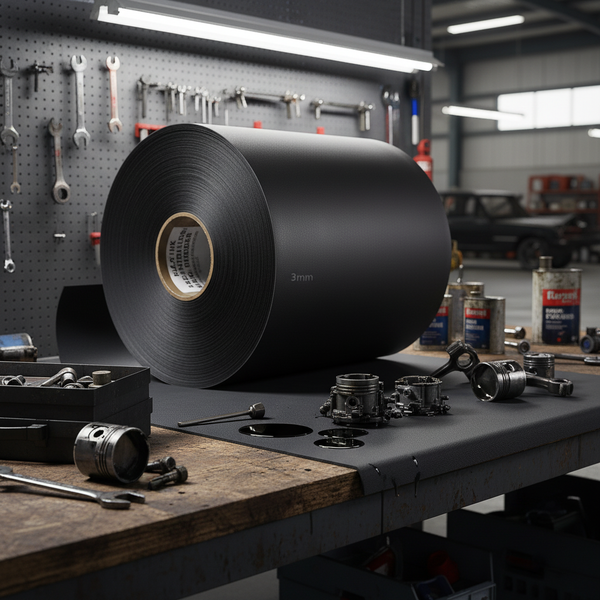
Nitrile (Acrylonitrile Butadiene Rubber) has the best oil and fuel resistance of any standard rubber compound. It is the mandatory specification for: hydraulic system seals, fuel system gaskets, oil-resistant floor coverings in vehicle workshops, engineering components in petroleum environments, and any application involving mineral oils, hydraulic fluids, petrol, or diesel. Nitrile's petroleum resistance comes at the cost of poor UV/ozone resistance — not suitable for outdoor applications. Temperature range: −30°C to +100°C.
Natural Rubber Sheet
Natural rubber (NR / latex) offers the highest elasticity, tensile strength, and tear resistance of all rubber compounds — making it the preferred choice for high-flex applications, anti-vibration mounts requiring maximum damping, and engineering components subject to repeated dynamic stress. Also used in food-processing applications where food-grade certification is required (specify food-grade NR). Degrades in UV, ozone, and petroleum contact.
Rubber Sheet by Application
Gasket Cutting & Seals
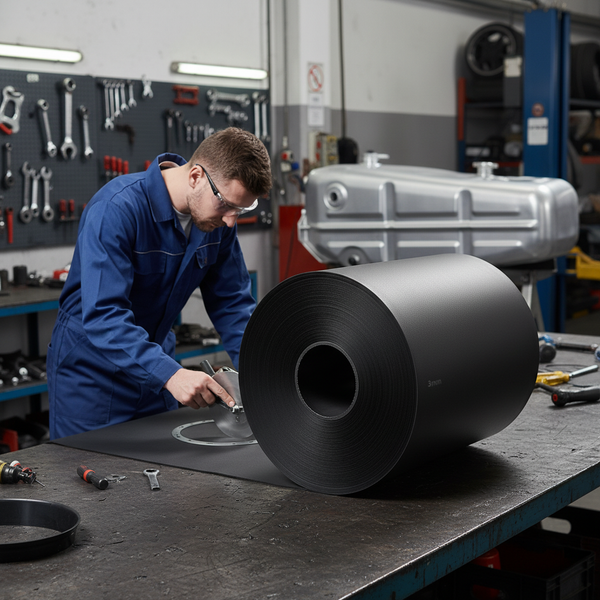
Rubber sheet is the primary raw material for site-cut gaskets in plumbing, pipework, flanges, and pressure vessels. Compound selection must match the fluid being sealed: water and steam → EPDM or natural rubber; oils and fuels → nitrile; refrigerants → neoprene; outdoor weathering seals → EPDM. Thickness for flange gaskets: 3mm for low-pressure (under 10 bar), 6mm for medium-pressure joints. Cut using a sharp Stanley knife, die punch set, or water-jet for precision profiles.
Vibration & Noise Isolation
Anti-vibration pads cut from neoprene or natural rubber sheet are used under machinery, compressors, pumps, HVAC equipment, and industrial plant to reduce structure-borne vibration transmission. Effectiveness depends on the rubber's dynamic stiffness relative to the mounted mass — typically 6mm to 25mm neoprene sheet for equipment in the 100kg–5,000kg range. Natural rubber offers the highest damping coefficient; neoprene adds oil and weather resistance. Rubber sheet anti-vibration pads are also used under domestic appliances (washing machines, tumble dryers) to reduce noise transmission through floors.
Pond Lining & Water Features
EPDM rubber sheet (0.75mm–1.5mm) is the industry standard for garden pond lining, water feature construction, and rainwater harvesting tank lining. It is non-toxic to fish and plants, UV-stable for 20+ year outdoor lifespan, highly flexible for irregular pond shapes, and resistant to root penetration. Installation: lay over a protective underlay (sand or geotextile fleece), overlap joins by minimum 150mm, bond with EPDM seam tape. Our EPDM sheet is supplied in widths to 6m for large ponds with minimal joins.
Electrical Insulation
Rubber sheet has inherent electrical resistance, but certified electrical insulation applications (HV switchgear, transformer rooms, substation safety mats) require rubber sheet tested and certified to BS EN 61111 with a specific voltage class rating (Class 0: 1,000V; Class 1: 7,500V; Class 2: 17,000V; Class 3: 26,500V; Class 4: 36,000V). Contact us to specify certified HV insulation rubber sheet for your electrical safety application.
Agricultural & Livestock Applications
Rubber sheet is extensively used in UK agriculture: tank lining (slurry, chemical storage), conveyor belting in grain handling, anti-vibration mounts on tractors and trailers, water trough seals, and floor overlays in dairy parlours and livestock buildings. Natural rubber and SBR sheet are the standard compounds for most agricultural applications; nitrile is specified where fuel or chemical contact occurs.
Roofing & Waterproofing
EPDM rubber sheet (1.0mm–1.5mm) is widely used for flat roof waterproofing as an alternative to felt or GRP. EPDM flat roofing is popular with UK building contractors for its long lifespan (20–30 years), single-piece installation on small roofs (reducing seam risk), and ease of repair. Installation requires EPDM-compatible bonding adhesive, perimeter trim, and outlet flashings. Our EPDM sheet is the same material used by professional roofing contractors — supplied directly to trade and DIY at competitive prices.
Acoustic Dampening
Dense rubber sheet (SBR or natural rubber, 6mm–12mm) is used as an acoustic underlay beneath timber and laminate flooring to reduce impact noise transmission between floors. It is also used in recording studios and home cinemas as a decoupling layer for floating floor constructions. Effectiveness is measured by impact sound reduction (ΔLw) — typically 18–22dB for 6mm dense rubber underlay. Combine with mineral wool cavity fill for maximum airborne and impact sound insulation.
Rubber Sheet Thickness Guide
| Thickness |
Common Applications |
Notes |
| 1.5–3mm |
Thin gaskets, seals, protective overlays, pond liner |
Use for low-pressure sealing and surface protection |
| 3–6mm |
Flange gaskets, vibration pads, roofing, agricultural liners |
Most versatile range — covers majority of UK applications |
| 6–10mm |
Heavy vibration isolation, anti-fatigue underlays, tank lining |
Significant damping capability at this thickness |
| 10–15mm |
Machine bases, structural vibration isolation, heavy gaskets |
For high-load anti-vibration applications |
| 15–25mm |
Impact protection, heavy machinery bases, specialist engineering |
Custom cut — contact for availability |
Rubber Sheet Sizes Available
| Format |
Typical Widths |
Lengths |
Best For |
| Roll (per linear metre) |
1.0m, 1.2m, 1.4m |
Sold per metre, min 1m |
Large area coverage, gasket cutting, flooring |
| Cut Sheet |
1.2m × 1.0m |
Fixed |
Small gasket projects, samples, one-off cuts |
| Wide Roll (EPDM) |
Up to 6m |
Per metre |
Pond lining, flat roofing, large seals |
| Cut to Size |
Any dimension |
Any length |
Precision engineering, specific gasket profiles |
UK Standards & Compliance for Rubber Sheet
BS EN 61111 — Electrical Insulating Matting
Specifies the performance requirements for rubber matting used to protect workers from electric shock in HV environments. Five voltage classes (0–4) with corresponding proof voltage and working voltage ratings. Mandatory for all electrical insulation applications in substations, transformer rooms, and switchgear panels.
BS EN ISO 1402 — Rubber Hose Testing
Referenced for rubber sheeting used in hose and tube manufacturing — defines impulse and pressure requirements for rubber compounds used in fluid conveyance systems.
WRAS Approval (Water Regulations Advisory Scheme)
For rubber sheet in direct contact with potable water (drinking water pipes, tank liners, water fittings), WRAS approval is required in the UK to confirm the material does not contaminate the water supply. Specify WRAS-approved EPDM or natural rubber sheet for potable water applications.
Food Contact Compliance (EC 1935/2004)
Rubber sheet in contact with food or food packaging must comply with EC Regulation 1935/2004 on food contact materials. Specify food-grade natural rubber or EPDM for these applications — standard industrial compounds are not food-safe.
REACH Compliance
All rubber sheet supplied by Rubber Matting Direct is REACH-compliant (EU Regulation 1907/2006) — free from restricted substances including polycyclic aromatic hydrocarbons (PAHs) above threshold levels.
How to Cut Rubber Sheet
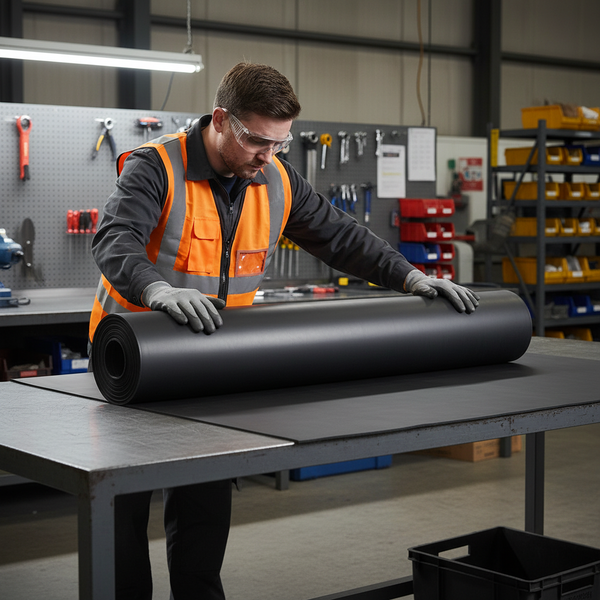
Accurate cutting is essential for gasket and seal applications. The correct method depends on thickness and required precision:
-
1.5–3mm: Sharp Stanley knife or rotary cutter along a steel straight edge. Score and fold for clean straight cuts.
-
3–6mm: Heavy-duty utility knife with multiple passes. Avoid sawing action — draw the blade in one clean stroke.
-
6mm+: Jigsaw with a fine-tooth blade (metal-cutting, 20–25 TPI) or bandsaw. Mark cut lines with chalk or silver marker.
-
Circular profiles (gaskets): Gasket punch set or hole saw. Lubricate with soapy water for clean cuts in thick sheet.
-
Precision profiles: Water-jet cutting — contact us for cut-to-drawing service on nitrile and neoprene sheet.
Rubber Sheet Cost Guide UK 2025
| Compound |
Thickness |
Price Per m² (inc. free delivery) |
| SBR Rubber Sheet |
3mm |
£8–£15/m² |
| SBR Rubber Sheet |
6mm |
£14–£22/m² |
| EPDM Rubber Sheet |
3mm |
£15–£25/m² |
| EPDM Rubber Sheet |
6mm |
£22–£35/m² |
| Neoprene Rubber Sheet |
3mm |
£20–£35/m² |
| Neoprene Rubber Sheet |
6mm |
£30–£50/m² |
| Nitrile Rubber Sheet |
3mm |
£22–£38/m² |
| Nitrile Rubber Sheet |
6mm |
£32–£55/m² |
| Natural Rubber Sheet |
3mm |
£18–£30/m² |
| Natural Rubber Sheet |
6mm |
£28–£45/m² |
All prices include free UK delivery. Orders before 2pm dispatched same day. Trade account pricing available for 10m²+ orders. View current prices across our full rubber sheet range.
Frequently Asked Questions
What is the difference between EPDM, SBR, Neoprene and Nitrile rubber sheet?
EPDM: UV-stable, weatherproof, outdoor and pond lining. SBR: recycled rubber, abrasion-resistant, general indoor use. Neoprene: oil + weather + flame resistance combined. Nitrile: best oil and fuel resistance, mandatory for petroleum environments. Each has a specific performance envelope — the application environment determines the correct compound.
Can rubber sheet be cut to size?
Yes. All our rubber sheet is available cut to any length per linear metre. We also offer a cut-to-drawing service for precision gasket profiles. Standard cuts (straight lengths) are made on-site with a knife and straight edge; precision profiles require a gasket punch or water-jet cutter.
What thickness rubber sheet do I need for a gasket?
3mm for low-pressure plumbing and pipe flanges (under 10 bar). 6mm for medium-pressure flanges. 3–6mm for general-purpose seals and covers. Match compound to the fluid: nitrile for oils, EPDM for water/outdoor, neoprene for refrigerants and marine.
Is rubber sheet suitable for pond lining?
EPDM rubber sheet is the industry standard for pond lining — non-toxic to fish and plants, UV-stable, 20+ year lifespan. Specify 0.75mm–1.0mm for garden ponds, 1.0mm–1.5mm for larger features. Available in widths to 6m for minimal joins on large ponds.
What is nitrile rubber sheet used for?
Nitrile (NBR) is used wherever petroleum products are present: hydraulic seals, fuel system gaskets, engineering workshop floor underlays, oil-resistant anti-vibration pads. It is the only standard rubber compound with genuine mineral oil and fuel resistance.
What temperature can rubber sheet withstand?
EPDM: −40°C to +120°C. Neoprene: −40°C to +100°C. Nitrile: −30°C to +100°C. SBR: −30°C to +80°C. Natural rubber: −50°C to +70°C. For temperatures above 120°C, specify silicone rubber sheet.
Is rubber sheet electrically insulating?
Standard rubber sheet has inherent insulation properties. For certified HV electrical insulation (switchgear, substations), specify rubber sheet tested to BS EN 61111 with the appropriate voltage class rating. Contact us for certified electrical insulation rubber sheet.
What is the difference between rubber sheet and rubber matting?
Rubber sheet is a technical engineering material used for gaskets, seals, vibration isolation, and waterproofing. Rubber matting is a finished floor covering with textured surfaces designed for slip resistance and anti-fatigue use. Both are vulcanised rubber — the application determines which is appropriate. Browse our rubber matting range if you need a floor covering.
Can I use rubber sheet for anti-vibration?
Yes. Neoprene and natural rubber sheet (6–25mm) are widely used for anti-vibration mounts and isolation pads under machinery, compressors, and HVAC equipment. Effectiveness depends on matching the rubber stiffness to the mounted mass and vibration frequency. Contact our technical team for anti-vibration specification advice.
Do you offer trade or bulk pricing on rubber sheet?
Yes. Trade accounts are available for engineers, contractors, and manufacturers. Volume pricing from 10m² upward. We supply rubber sheet to NHS trusts, MOD contractors, engineering firms, and manufacturers throughout the UK. Contact us with your specification and quantity for a trade quotation.
How do I bond rubber sheet to another surface?
Use a contact adhesive appropriate to your compound: Evo-Stik 528 is suitable for SBR, neoprene, and natural rubber. EPDM-specific bonding adhesive for EPDM sheet. Apply to both surfaces, allow flash-off (10 minutes), then press firmly together — rubber-to-rubber bonds with contact adhesive are not repositionable. For temporary bonding or light-duty applications, double-sided foam tape is a quick alternative.
What is the heaviest rubber sheet you stock?
We stock rubber sheet up to 25mm in SBR and neoprene. For thicknesses above 25mm, please contact us — we can source bespoke dimensions from our supplier network with a lead time of 5–10 working days.
Ready to order? Browse our complete rubber sheet range — 60+ products across all major compounds, free UK delivery, same-day dispatch on orders before 2pm. Need a cut-to-size service or trade pricing? Contact our technical team.
Use this table to confirm compound suitability before ordering. Ratings assume ambient temperature (20–25°C). For aggressive or high-temperature environments, consult our full chemical resistance guide.