








Rubber Gym Flooring UK — Professional Grade, Home & Commercial
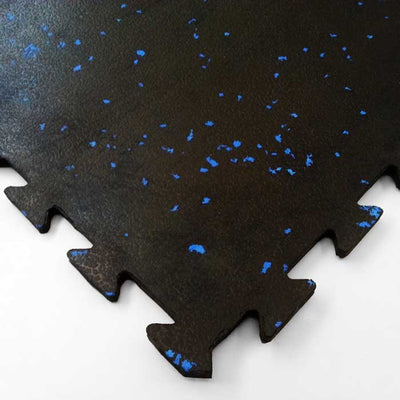
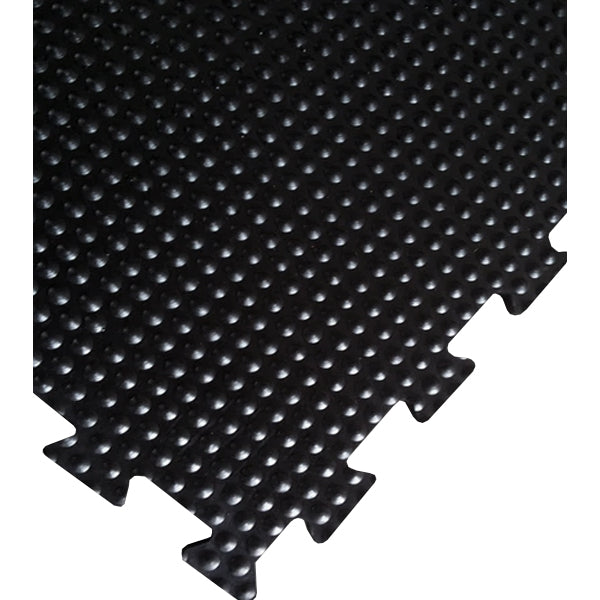
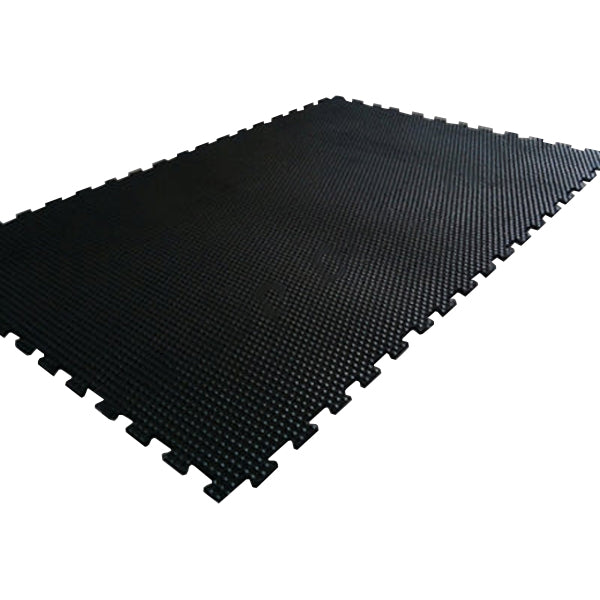
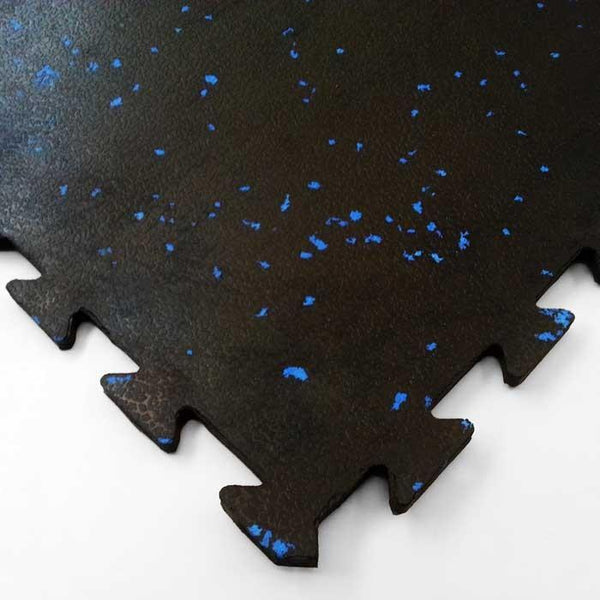
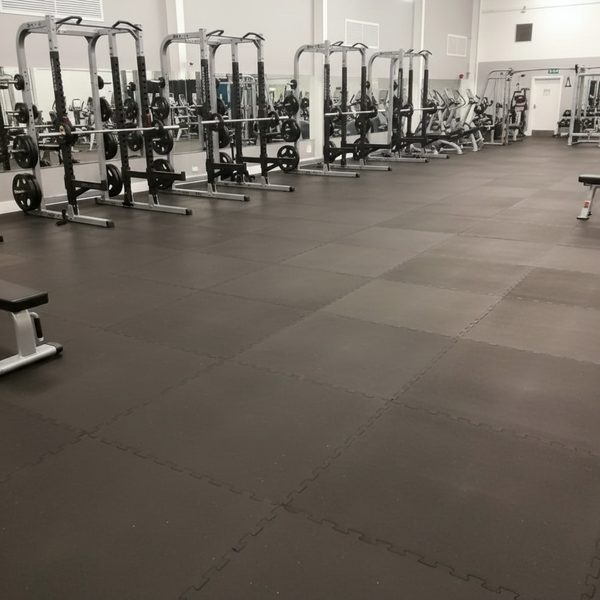
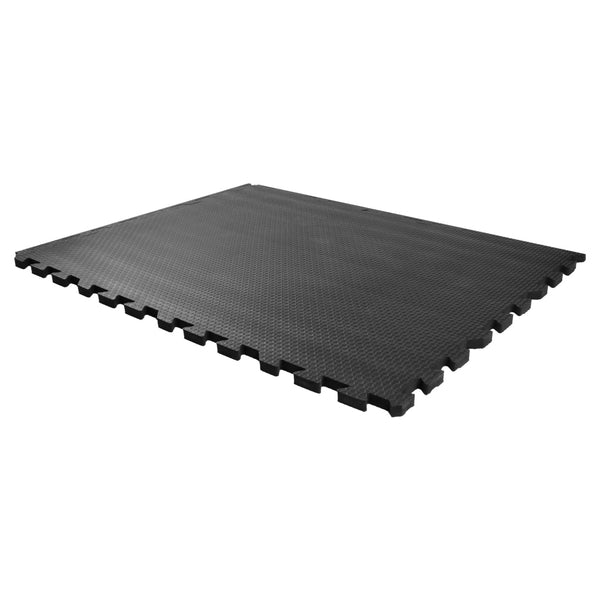
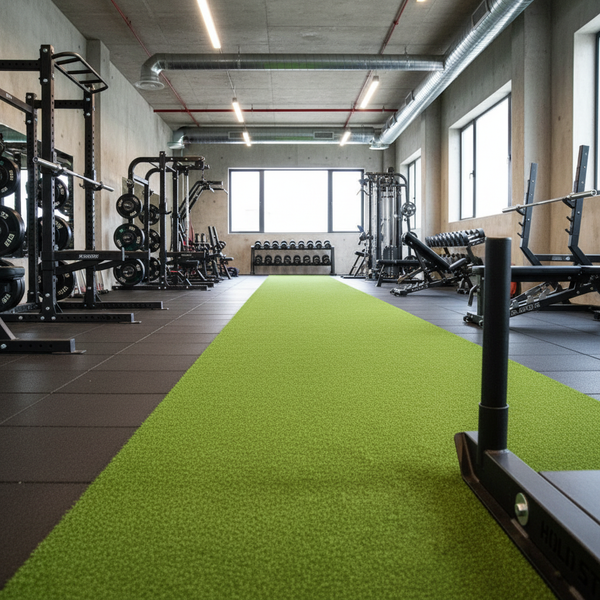
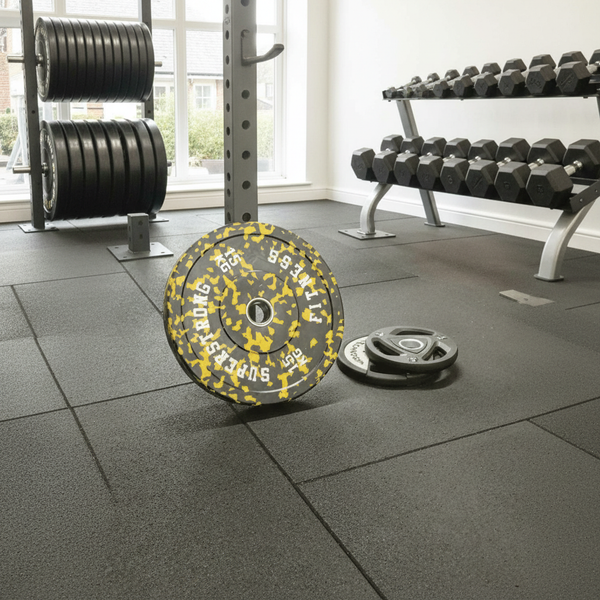
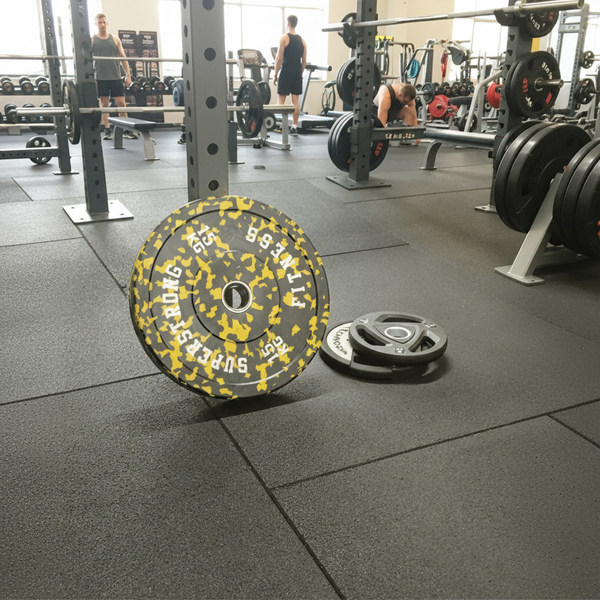
Heavy-duty rubber gym flooring manufactured from vulcanised SBR rubber with 90%+ recycled content. Slip-rated R10–R11, Shore A hardness 60–70, tensile strength 1.5–2.5 MPa. Supplied to CrossFit boxes, PT studios, commercial fitness centres and over 10,000 home gyms across the UK.
📐 Coverage Calculator — How Many Tiles Do You Need?
Gym Flooring Thickness Guide
Choosing the right thickness is the single most important decision. Too thin and you risk floor damage and joint injury. Too thick increases cost unnecessarily for light use areas.
| Thickness | Zone / Application | Max Weight Drop | Noise Reduction |
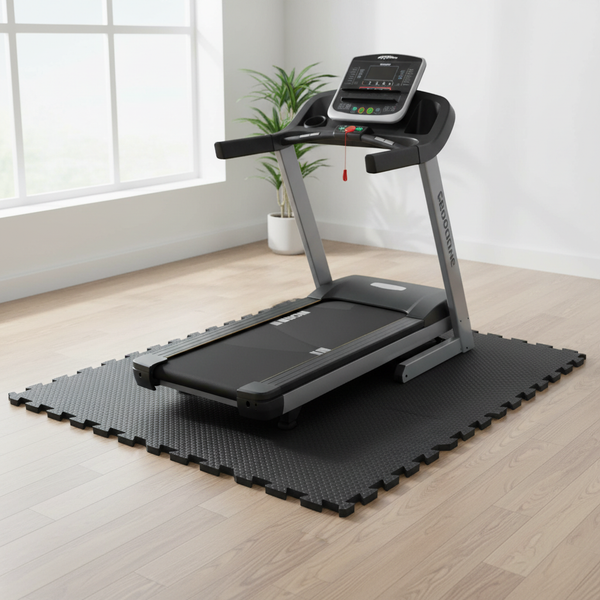
|---|---|---|---|
| 6–10mm | Yoga, pilates, cardio, stretching zones | Light equipment only | ~12dB |
| 15–20mm ⭐ | Free weights, general gym floor, CrossFit, HIIT | Up to 60kg | ~19dB |
| 30mm | Deadlift zones, PT studios, barbell areas | Up to 120kg | ~22dB |
| 40mm+ | Olympic lifting platforms, competition areas | Unlimited barbell drops | ~26dB |
⭐ Most popular for home gyms and mixed-use commercial floors
Home Gym Flooring vs Commercial Gym Flooring
| 🏠 Home Gym | 🏢 Commercial Gym | |
|---|---|---|
| Recommended thickness | 15–20mm | 20mm (floor) + 40mm (lifting zones) |
| Installation | DIY, no adhesive | Adhesive perimeter recommended |
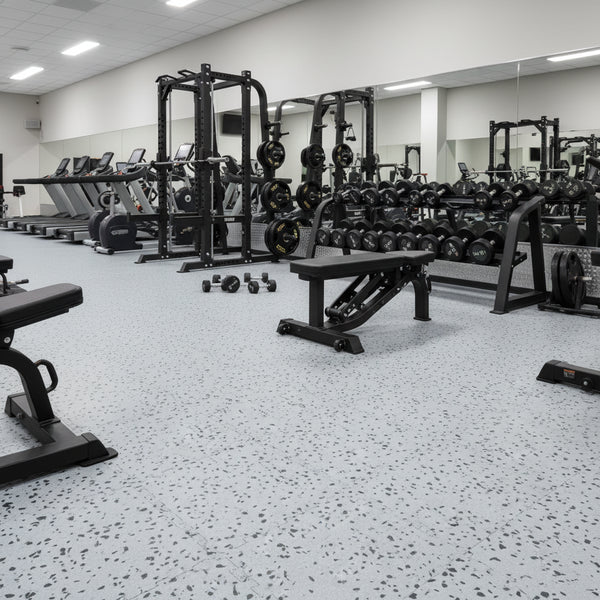
| Best format | Interlocking 1m×1m tiles | Rolls (large areas) + tiles (zones) |
| Typical area | 10–40m² | 100m²+ |
| Noise concern | High (neighbours / family) | Medium (structural requirements) |
| Budget range | £200–£800 | £2,000–£25,000+ |
Why Rubber — Not Foam or PVC?
| Property | Rubber (SBR/EPDM) | EVA Foam | PVC |
|---|---|---|---|
| Weight drop protection | ✅ Excellent | ⚠️ Poor | ⚠️ Poor |
| Durability (years) | ✅ 10–15+ | ❌ 2–4 | ⚠️ 5–8 |
| Slip resistance | ✅ R10–R11 | ⚠️ R9 | ✅ R10 |
| Noise reduction | ✅ High | ⚠️ Medium | ❌ Low |
| Heavy equipment stable | ✅ Yes | ❌ Compresses | ⚠️ Marginal |
| Recycled content | ✅ 90%+ | ❌ Virgin material | ❌ Virgin material |
What Our Customers Use It For
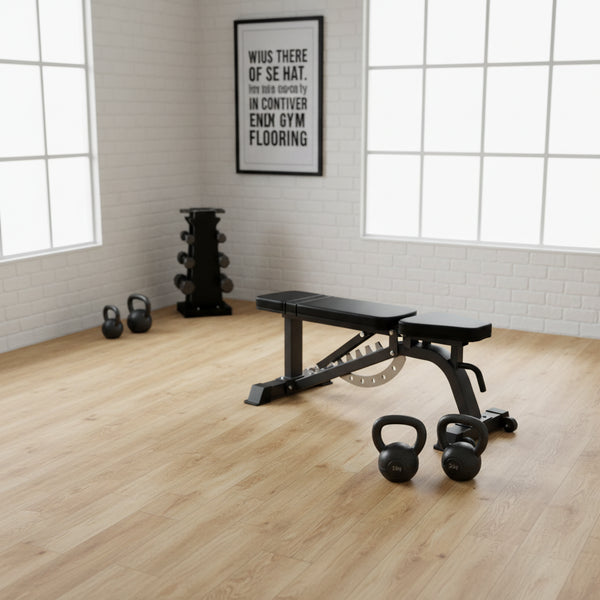
Garage, spare room, basement
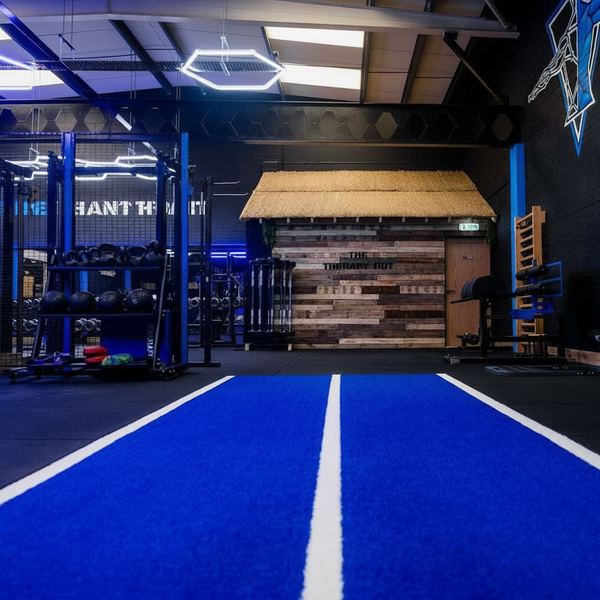
High-impact functional training
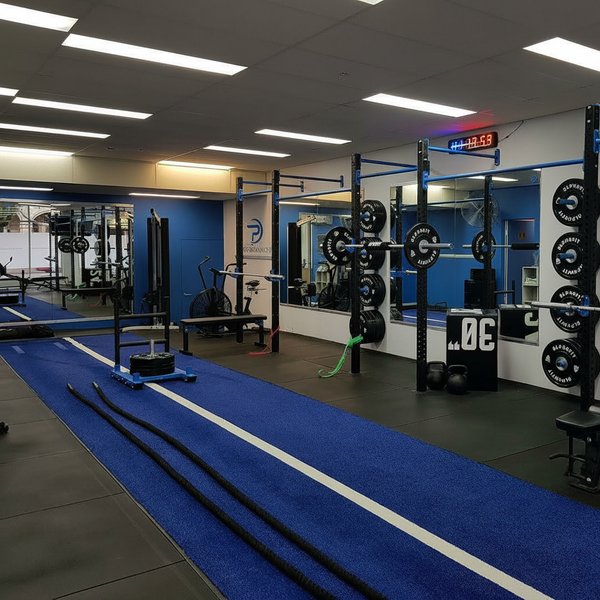
Client-facing professional spaces
Multi-use activity areas
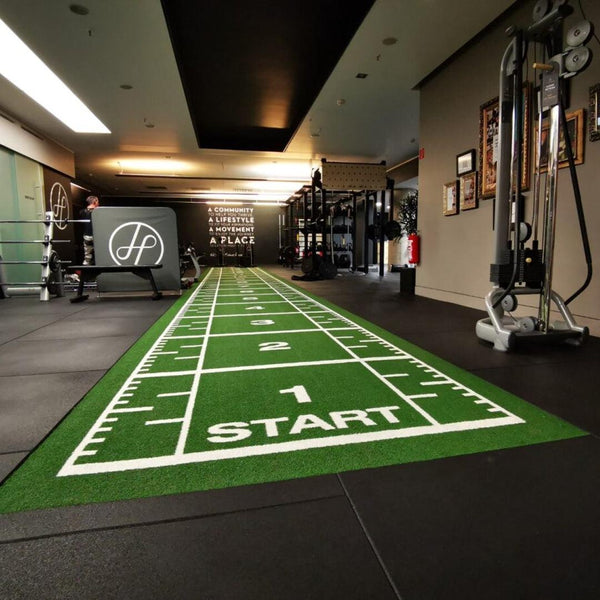
High-traffic fitness centres
Cold-proof, damp-resistant
Browse by Gym Flooring Type
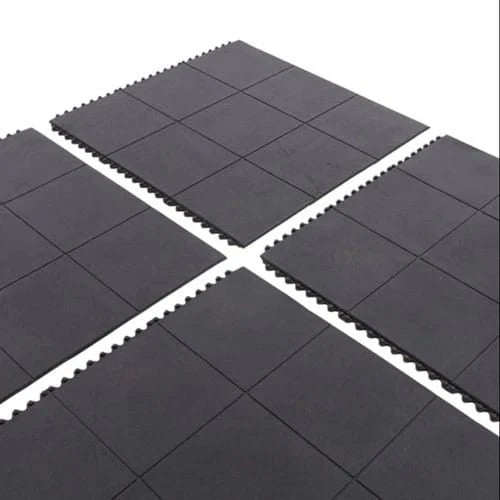
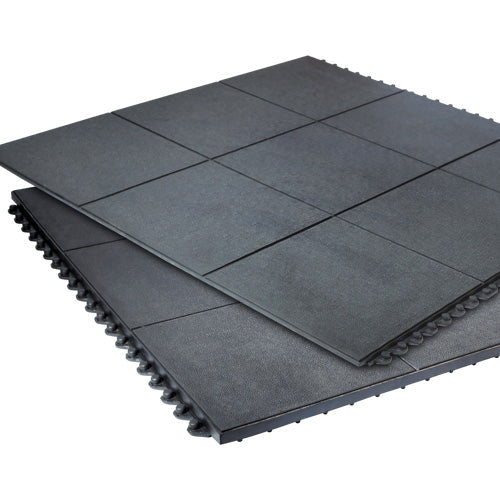
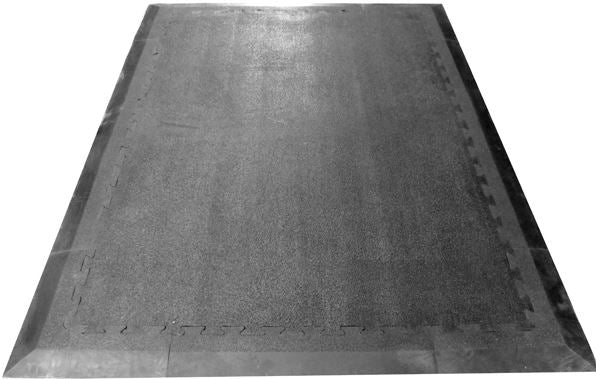
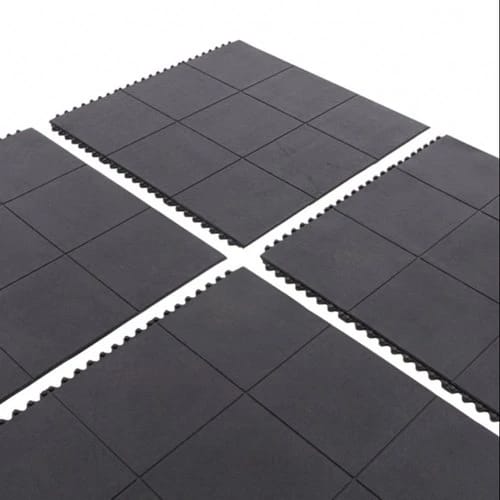
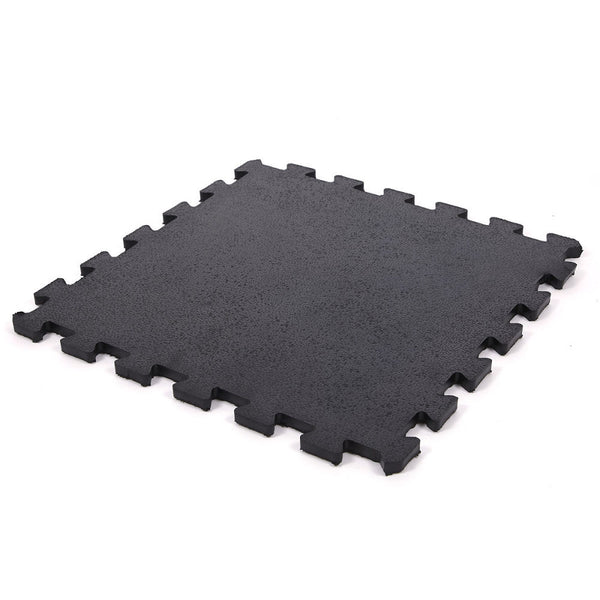
- Interlocking Rubber Gym Tiles — 50cm×50cm and 1m×1m, 15–40mm
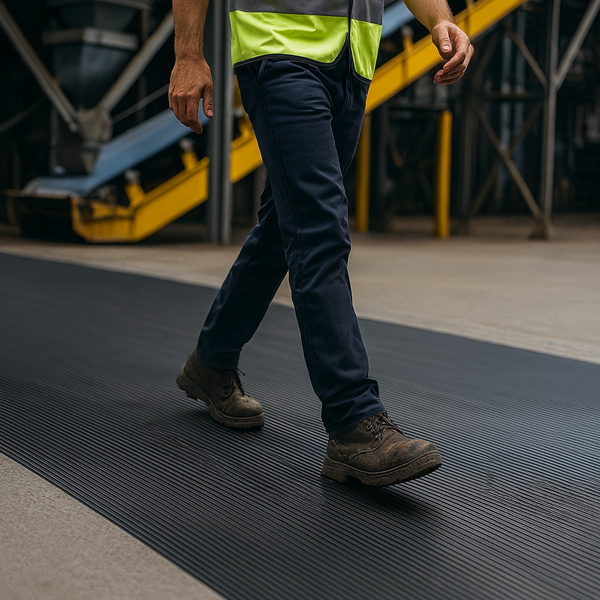
- Heavy Duty Rubber Matting Rolls — seamless coverage for large areas
- Anti-Fatigue Mats — standing zones, reception, PT areas
Frequently Asked Questions
How thick should rubber gym flooring be?
Thickness depends on use: 6–10mm suits yoga and light cardio. 15–20mm is standard for free weights and general gym floors. 30–40mm is required for Olympic lifting platforms and heavy deadlift zones. For mixed-use commercial gyms, 20mm throughout with 40mm at lifting platforms is the industry standard.
What is the best rubber gym flooring for a home gym?
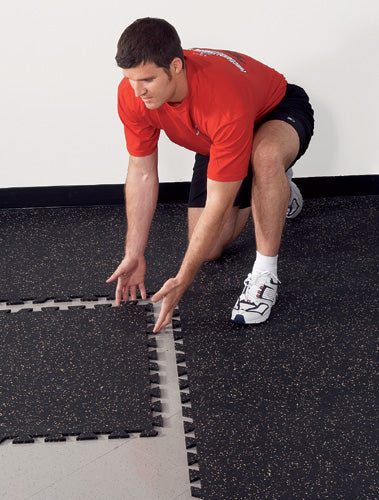
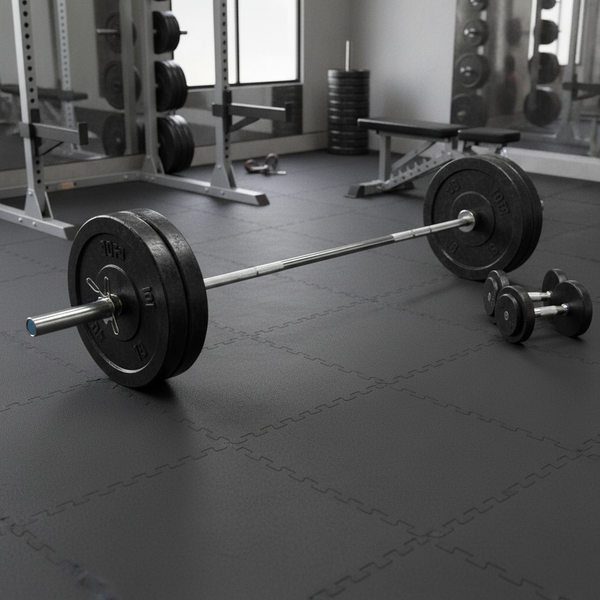
For most home gyms, 20mm interlocking SBR rubber tiles are the best choice — DIY installation without adhesive, excellent impact absorption, easy to replace individual tiles, and 10–15 year lifespan under normal use.
How much does rubber gym flooring cost per m² in the UK?
From £14/m² for 20mm interlocking tiles to £45/m² for premium 40mm commercial rubber. A typical 20m² home gym costs £280–£600 depending on thickness. Use our calculator above to get an instant estimate.
What is SBR rubber and why is it used for gym flooring?
SBR (Styrene Butadiene Rubber) is a vulcanised rubber compound with 90%+ recycled content. It offers Shore A hardness 60–70 (firm but impact-absorbing), R10–R11 slip resistance, and tensile strength of 1.5–2.5 MPa — the right combination for gym environments where dropped weights, wet feet and heavy equipment are all present.
Can rubber gym flooring be fitted on concrete floors?
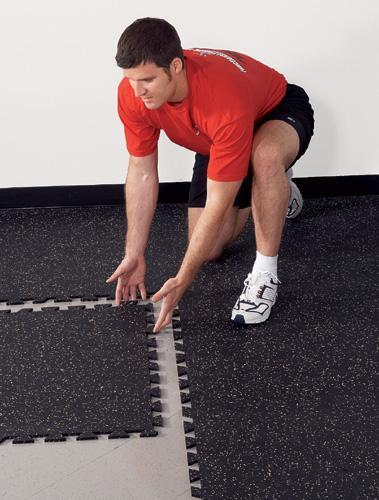
Yes. Interlocking tiles install directly onto concrete using the loose-lay method — no adhesive needed for home gyms. The combined weight of equipment and tiles holds them firmly. Ensure the concrete is clean, dry and reasonably level before installation.