











Barrier Matting UK — Commercial Entrance Systems That Stop Dirt at the Door
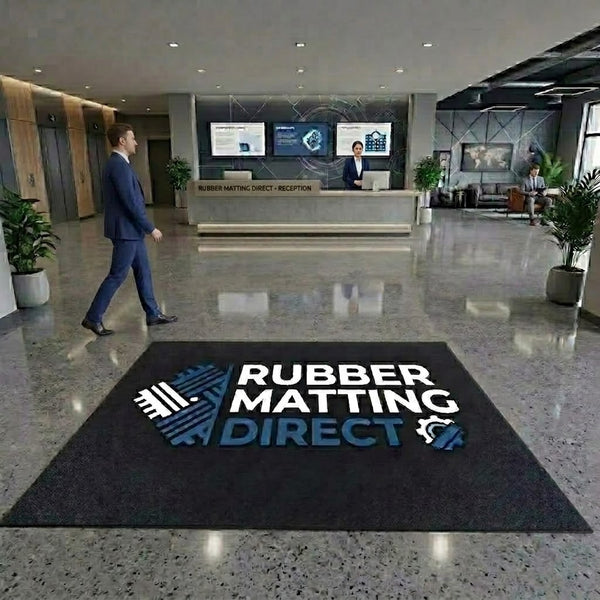
Barrier entrance matting is the most effective single intervention for managing dirt and moisture ingress in commercial buildings. Unlike simple doorstep mats, a properly specified barrier matting system combines a scraper zone (to physically remove heavy contamination) with a wiper zone (to absorb residual moisture) — capturing up to 95% of tracked-in dirt within the first 2 metres of entry. Rubbermatting Direct supplies barrier matting systems for offices, retail premises, schools, hospitals, and public buildings across the UK.
How Barrier Matting Systems Work
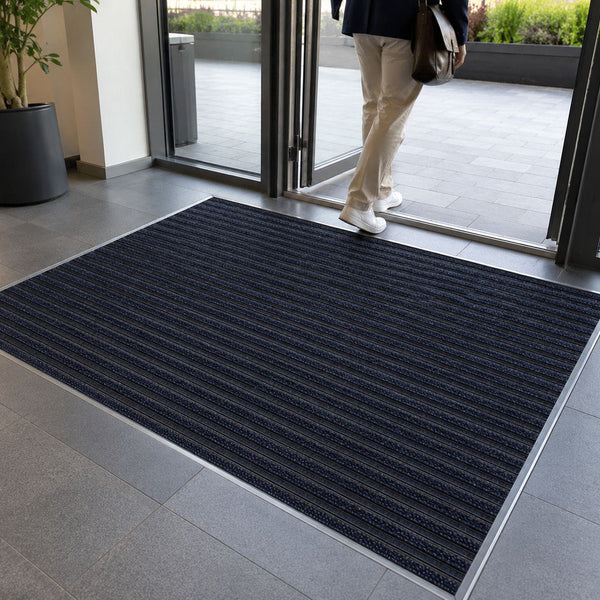
A complete barrier matting system works in stages. The first zone is typically a rigid scraper surface — coir or rubber-topped hard profile — that physically removes mud, grit, and leaves from shoe soles. The second zone transitions to a wiper surface — typically textile-topped or microfibre-backed — that absorbs residual moisture and fine particles. Together, this two-stage approach prevents contamination from reaching interior hard floors and carpets, dramatically reducing cleaning costs and extending floor lifespans.
Coir Barrier Mats
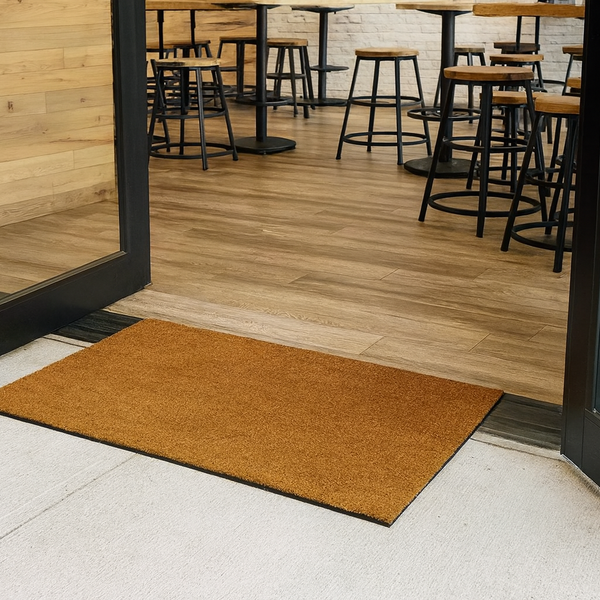
Natural coir (coconut fibre) is the benchmark scraper material for UK commercial entrances. The rigid, coarse fibre physically removes heavy contamination while allowing moisture to pass through the mat structure. Available in natural, bordered, and branded formats. PVC-backed for dimensional stability on hard floors.
Rubber-Backed Barrier Mats
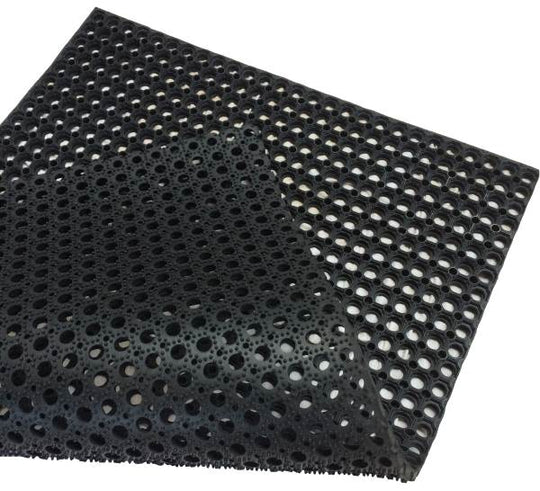
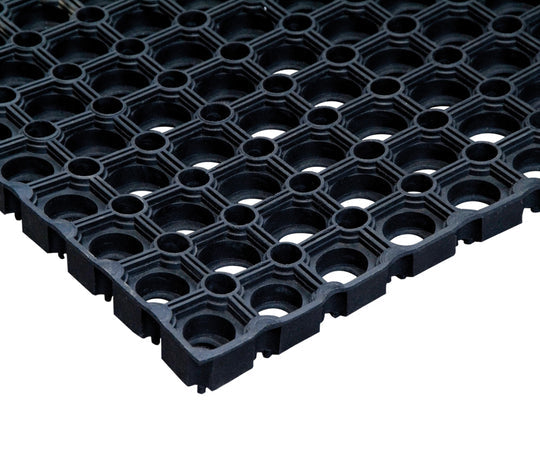
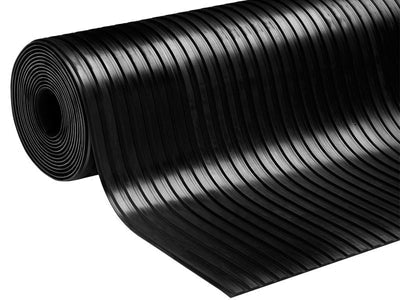
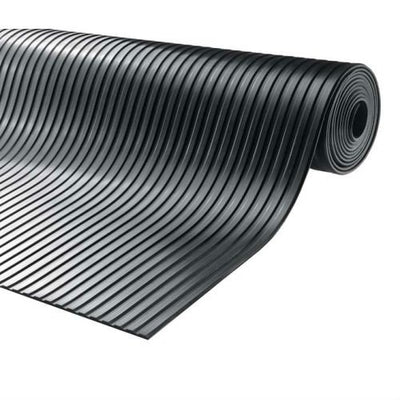
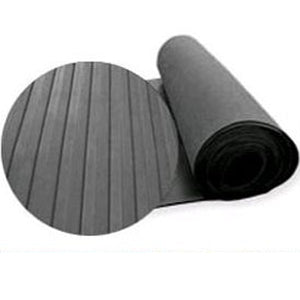
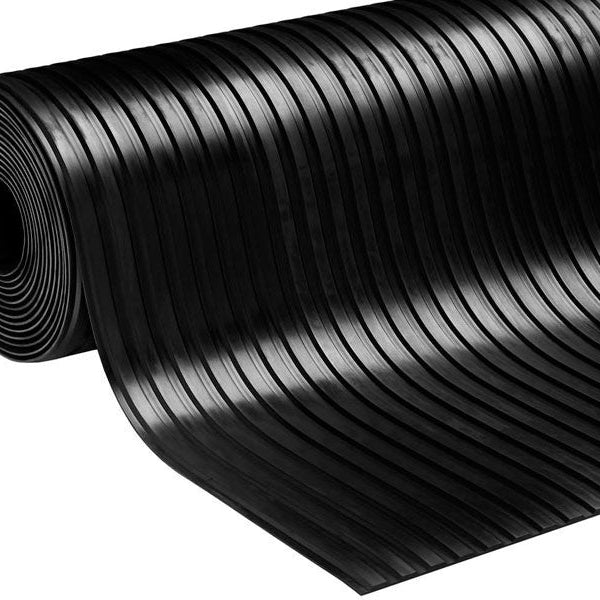
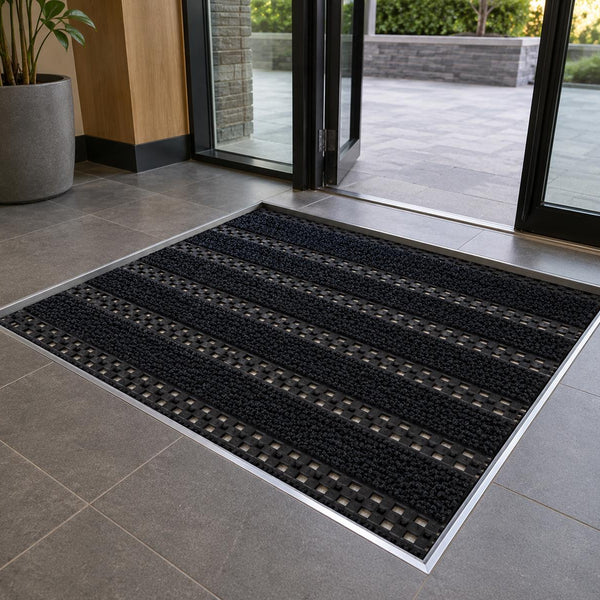
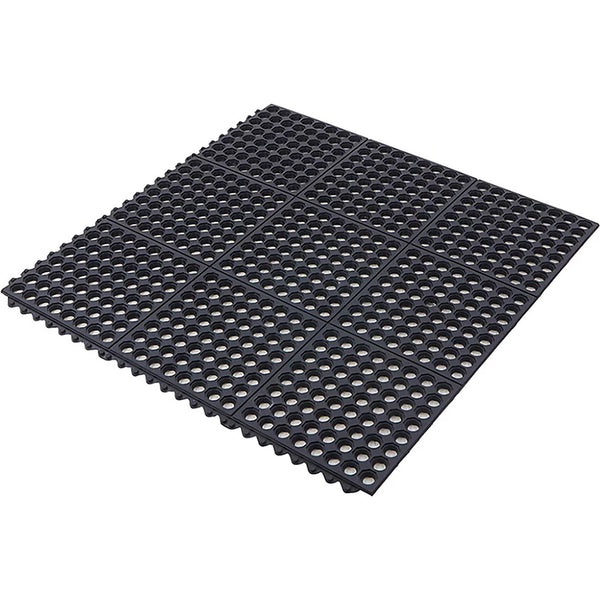
Solid rubber-backed entrance mats combine a profiled or ribbed top surface with a non-migration rubber backing. The rubber base prevents mat movement under high foot traffic — a critical safety consideration under Workplace Regulations 1992. Available in ribbed, scraper-top, and open-drain profiles.
Textile Barrier Mats
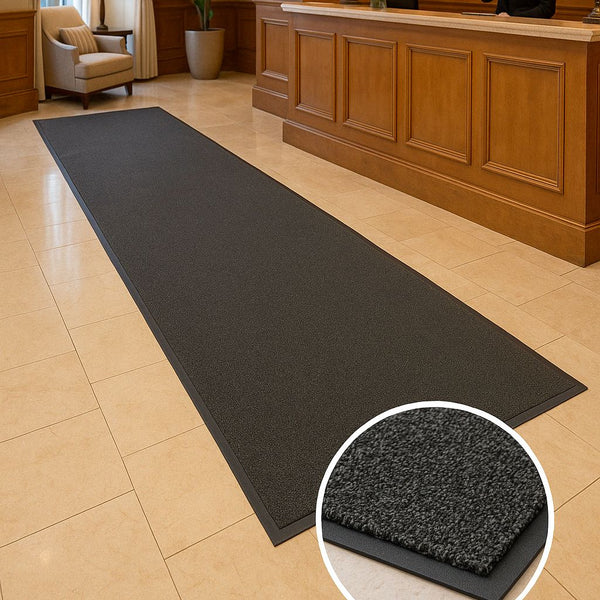
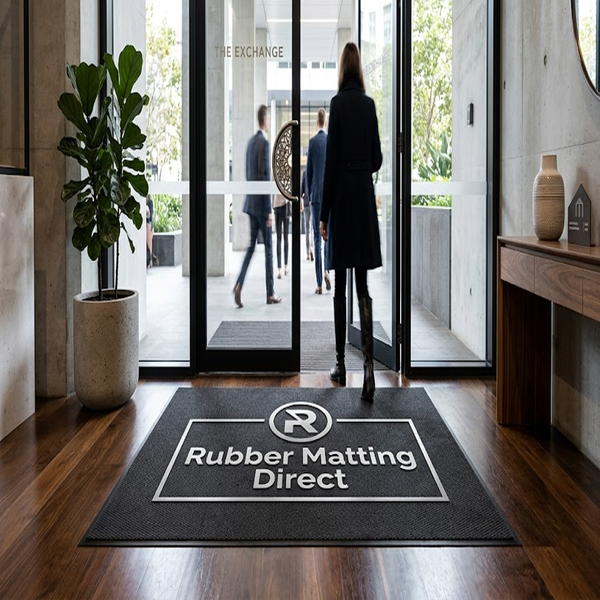
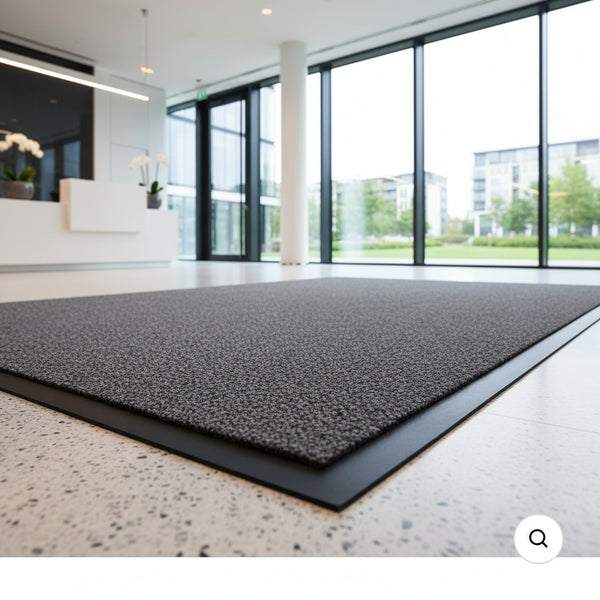
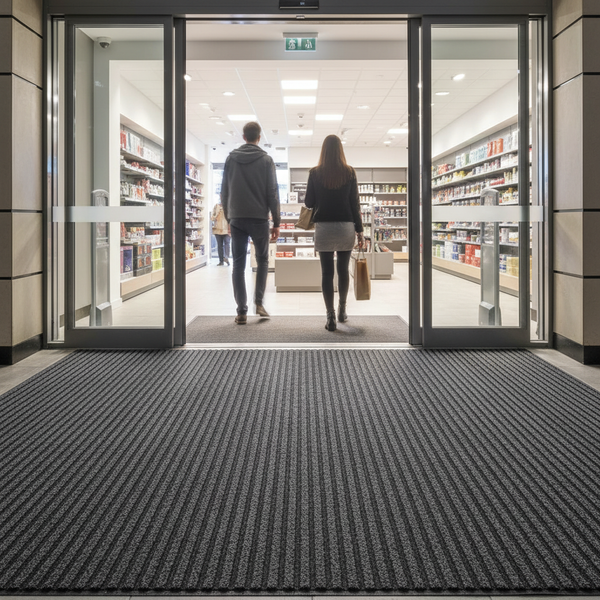
Nylon and polypropylene textile barrier mats provide excellent moisture absorption in the wiper zone. The pile surface wicks moisture away from footwear, keeping interior floors dry. Available in a wide range of colours and sizes, and can be branded with company logos.
Specification Guide
| Entrance Type | Minimum Depth | Recommended System |
|---|---|---|
| Single door office | 900mm | Coir scraper + textile wiper |
| Double door retail | 1,500mm | Rubber scraper + coir + textile |
| High footfall (school/hospital) | 2,000–3,000mm | Full recessed 3-zone system |
Frequently Asked Questions
What is the difference between a scraper mat and a barrier mat?
A scraper mat is the first zone of a barrier system — it physically removes heavy contamination (mud, grit, leaves) from shoe soles. A barrier matting system combines a scraper zone with a secondary wiper zone that absorbs residual moisture. A properly specified barrier system captures 90-95% of tracked-in dirt; a single scraper mat alone captures approximately 60-70%.
How deep should barrier matting be at a commercial entrance?
The BRE recommends a minimum of 1.5m of entrance matting depth in the direction of foot travel. For high-footfall premises (supermarkets, hospitals, schools), 2-3m is recommended. The minimum 1.5m depth ensures at least 3 full footsteps are taken on the mat, which is the minimum required to remove the majority of tracked-in contamination.
Can barrier matting be cut to fit a recessed mat well?
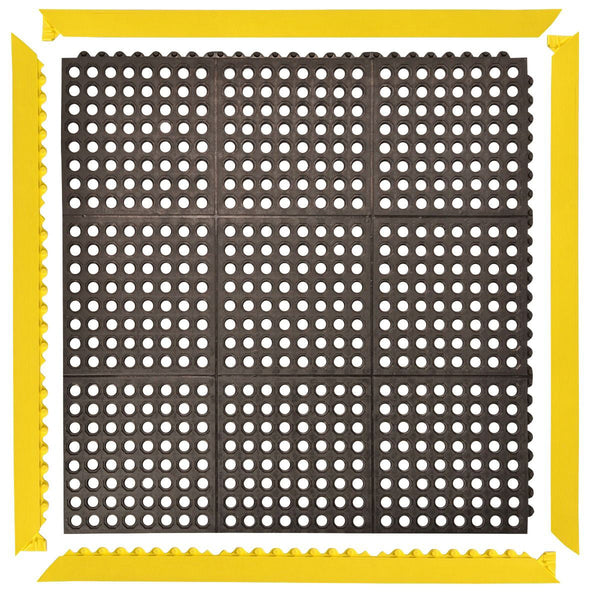
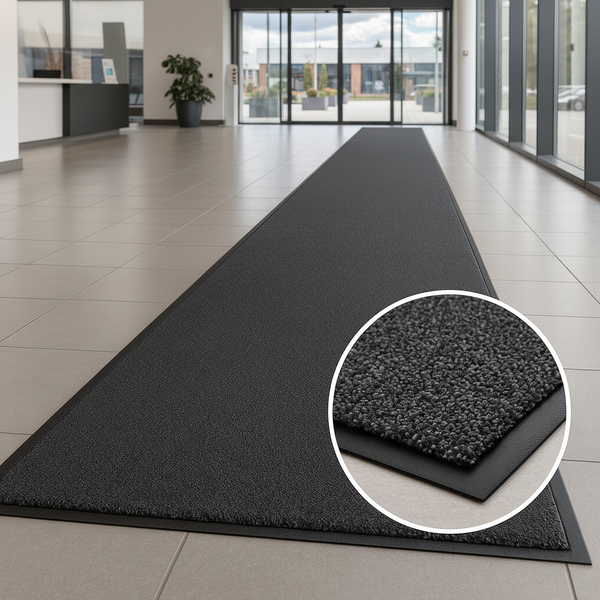
Yes. Coir on PVC backing and rubber-backed barrier mats can be cut to any size with a sharp Stanley knife and straight edge. For a recessed mat well, measure the well precisely and cut slightly undersize to allow for the mat to sit flush without buckling at the edges. Finished-edge mats are available for free-standing positions where visible edges are a concern.
What Our Customers Say
Verified reviews from UK buyers — Free UK delivery