

Best Seller
32% OFF
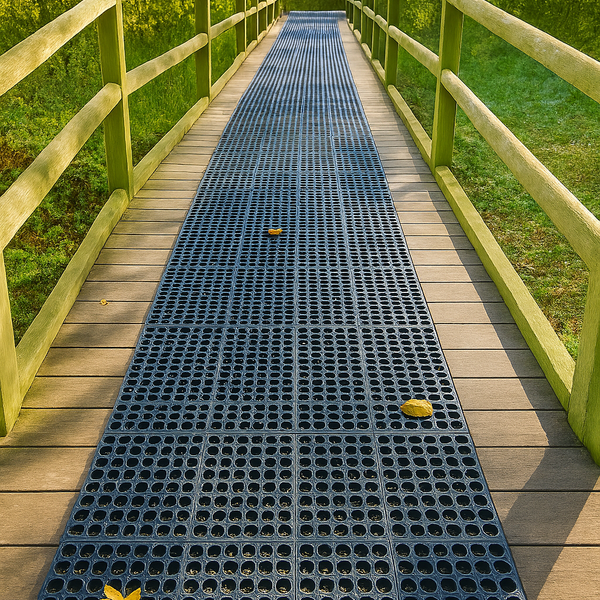
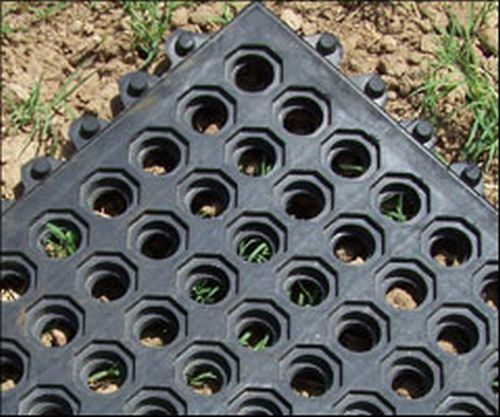
Industrial-Grade Rubber Grass Mats | 910mm Interlocking Ground Protection
From£22.00 (Inc. Vat)£32.13 (Inc. Vat)Incl. VAT
In Stock
15% OFF
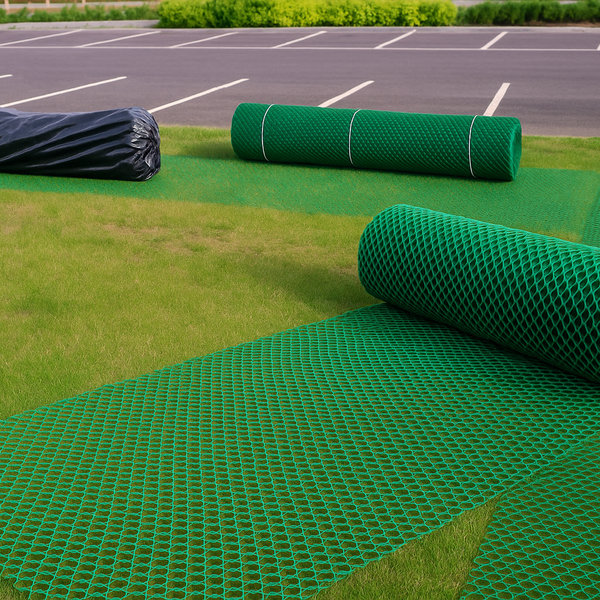
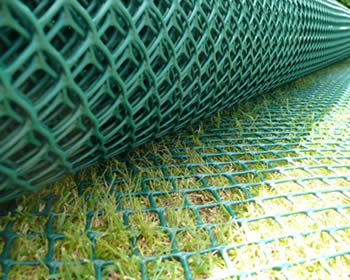
Grass Reinforcement Mesh | Turf Protection for Car Parks, Driveways & Lawns
From£55.00 (Inc. Vat)£64.90 (Inc. Vat)Incl. VAT
In Stock
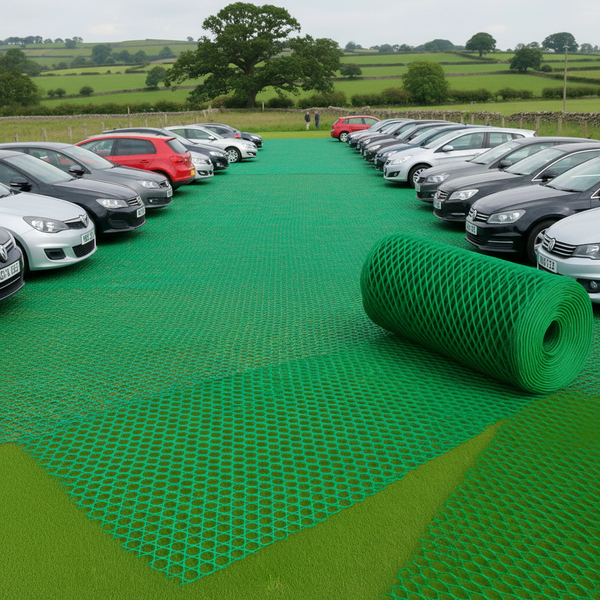
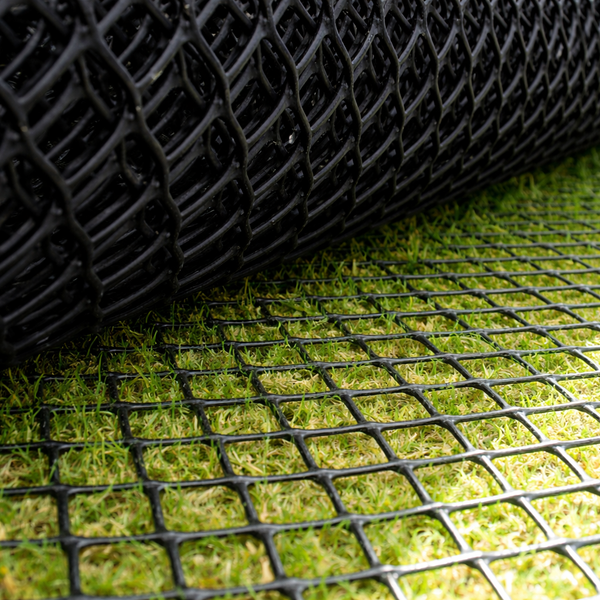
Grass Protection Mesh UK | Heavy Duty Ground Reinforcement | 2m x 30m
From£55.00 (Inc. Vat)Incl. VAT
In Stock
15% OFF
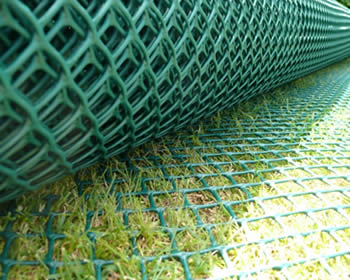
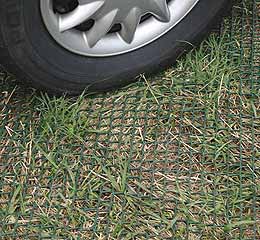
Premium Grass Reinforcement Mesh | Heavy Duty HDPE | Ground Protection for Car Parks, Lawns & Driveways
From£74.19 (Inc. Vat)£87.54 (Inc. Vat)Incl. VAT
In Stock
20% OFF
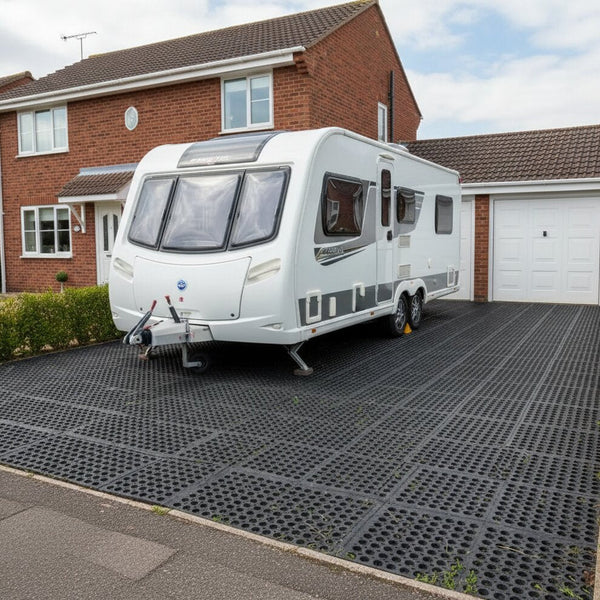
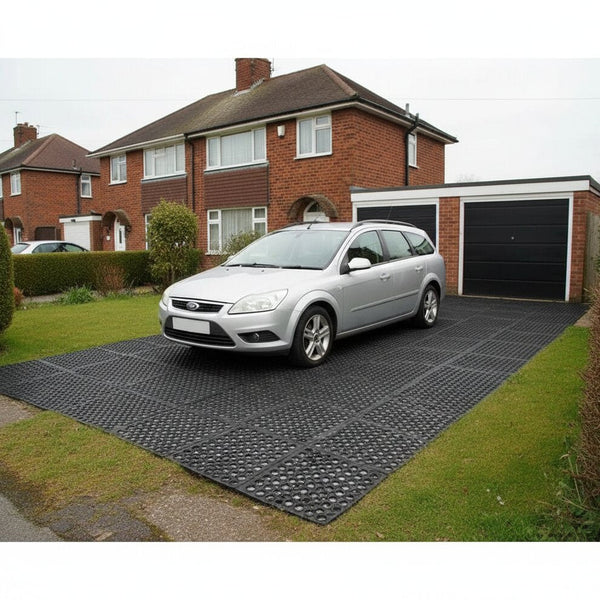
Load-Bearing Rubber Grass Mat — Heavy Vehicle Ground Protection for Access Routes — 15mm Industrial
£41.16 (Inc. Vat)£51.45 (Inc. Vat)Incl. VAT
In Stock
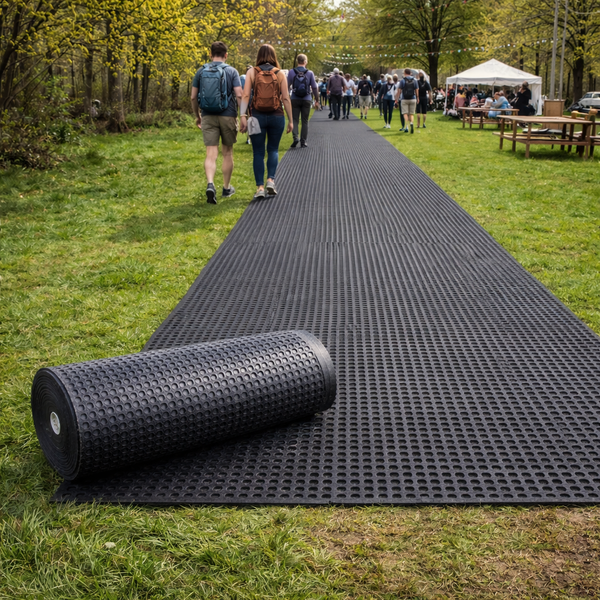
Eco-Friendly Premium Rubber Grass Mat Roll — Heavy Duty Ground Cover Solution — 10m x 1.83m
£799.00 (Inc. Vat)Incl. VAT
In Stock
Best Seller
14% OFF
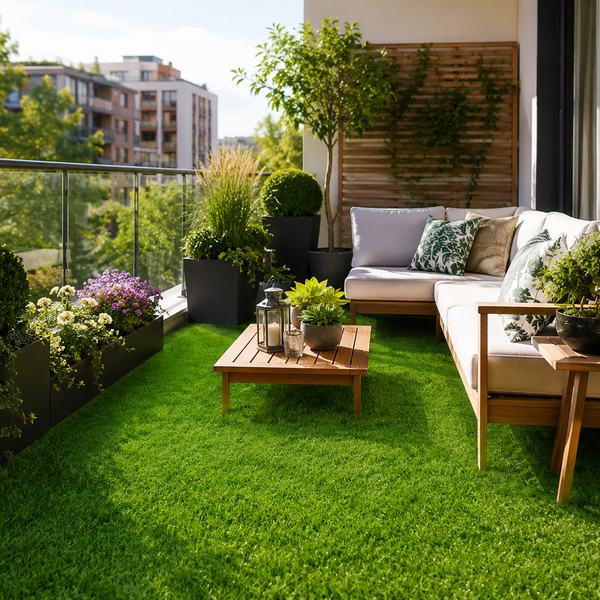
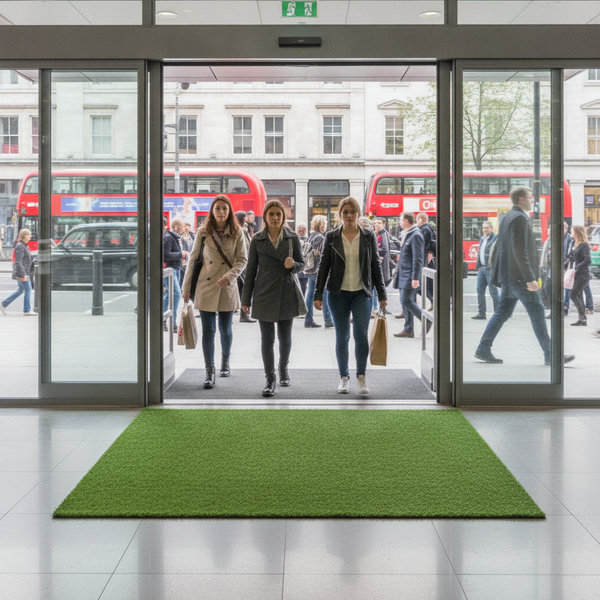
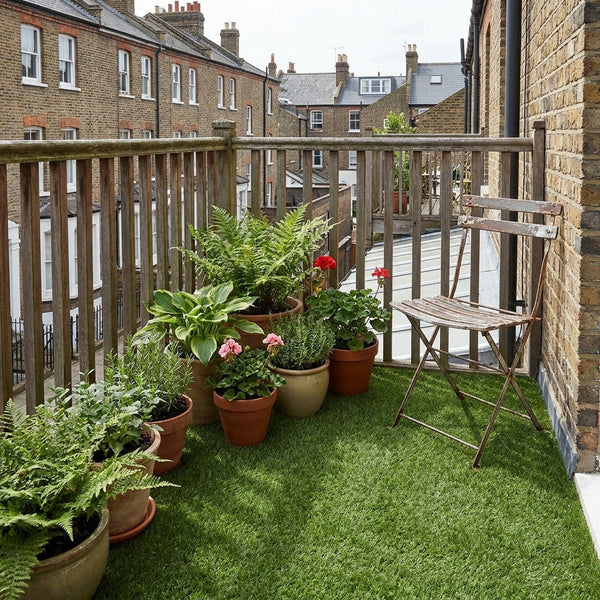
Weatherproof Artificial Grass Rug – Outdoor Carpet for Balcony, Patio & Garden
From£25.99 (Inc. Vat)£30.19 (Inc. Vat)Incl. VAT
In Stock
20% OFF
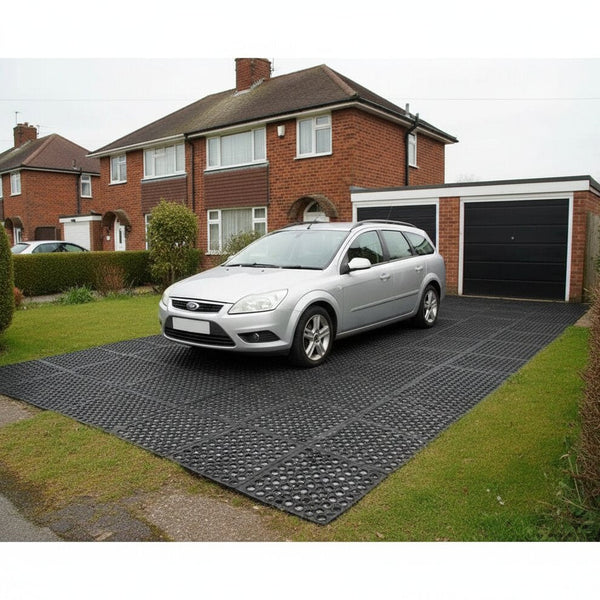
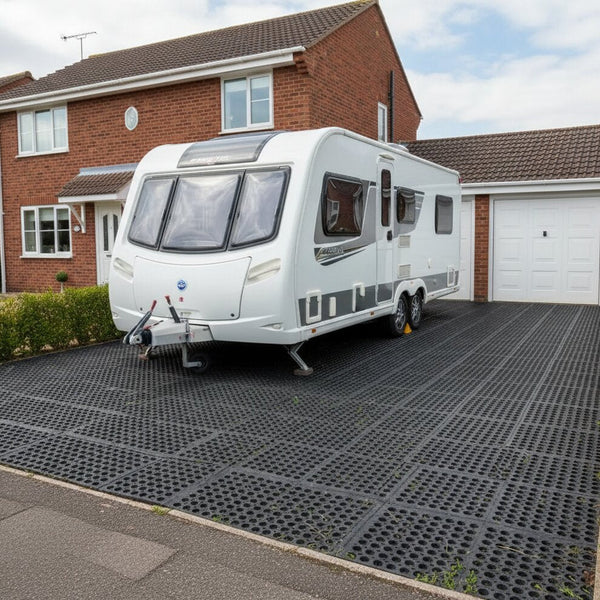
Caravan Parking Rubber Grass Mat — Heavy Duty Ground Protection for Motorhomes & Caravans — 15mm Load-Bearing
£41.16 (Inc. Vat)£51.45 (Inc. Vat)Incl. VAT
In Stock
20% OFF
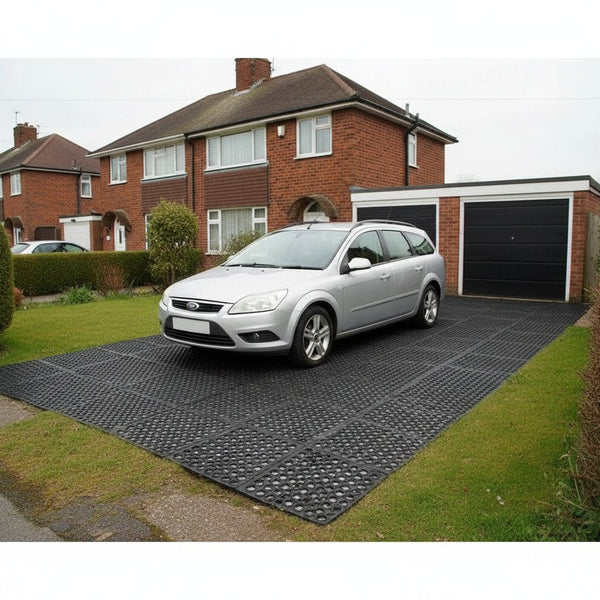
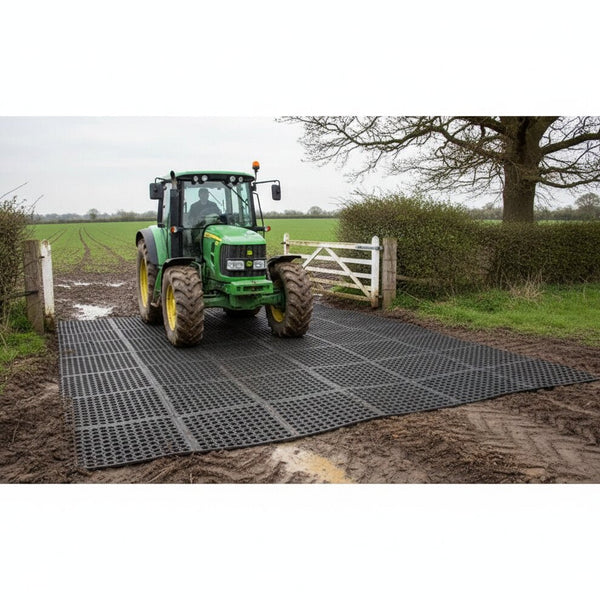
Agricultural Gateway Rubber Grass Mat — Heavy Duty Ground Protection for Farm Entrances — 15mm Anti-Slip
£41.16 (Inc. Vat)£51.45 (Inc. Vat)Incl. VAT
In Stock
20% OFF
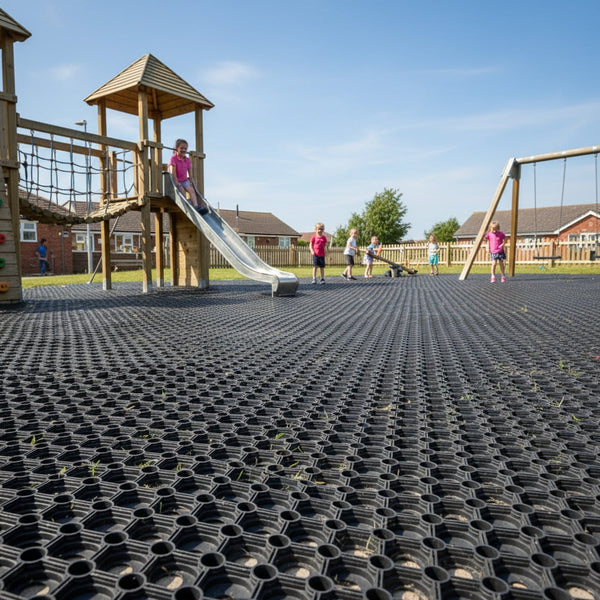
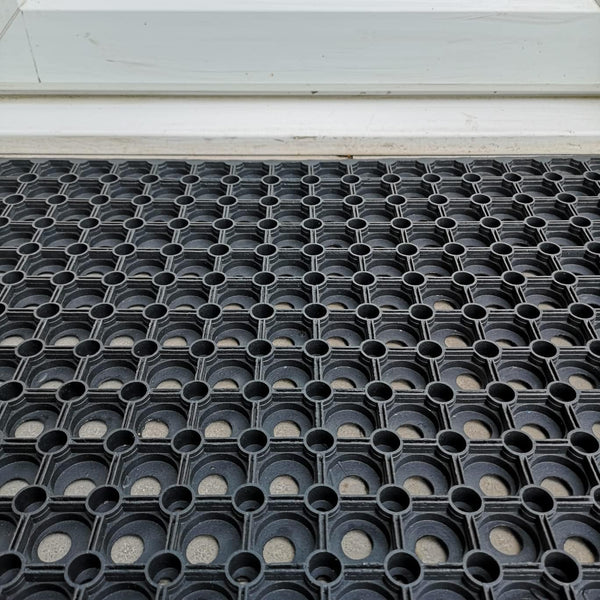
Hollow Rubber Grass Protection Mat | 150x100cm | Playground, Pool & Garden Decking
£54.99 (Inc. Vat)£68.99 (Inc. Vat)Incl. VAT
In Stock
52% OFF
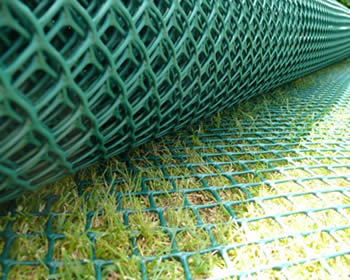
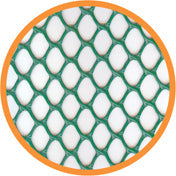
Grass Reinforcement Mesh | Heavy Duty HDPE Ground Protection | Car Parks, Driveways & Lawns
From£60.00 (Inc. Vat)£124.83 (Inc. Vat)Incl. VAT
In Stock
21% OFF
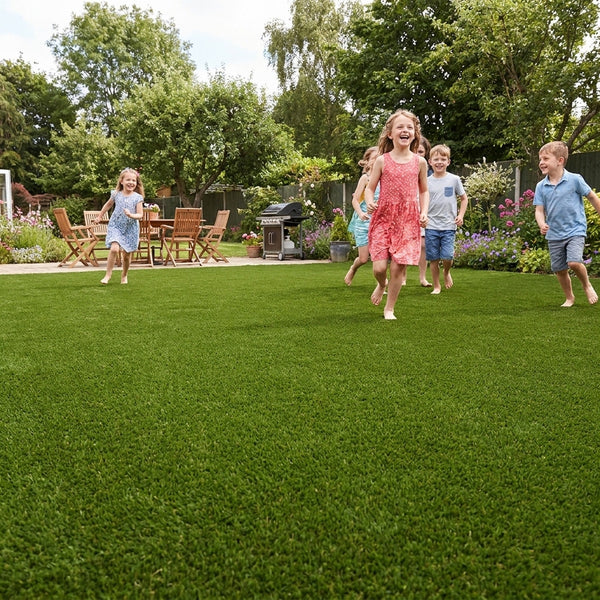
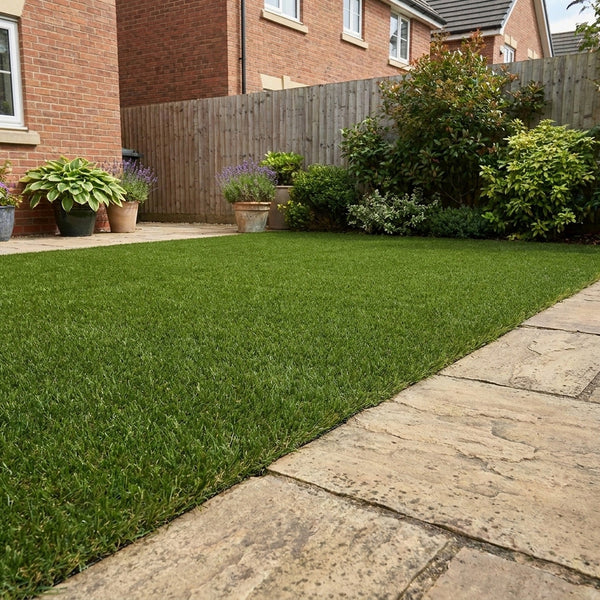
30mm Premium Artificial Grass | UV-Stabilised | Pet Friendly | No Sand Fill | Multiple Sizes
From£37.99 (Inc. Vat)£47.99 (Inc. Vat)Incl. VAT
In Stock
21% OFF
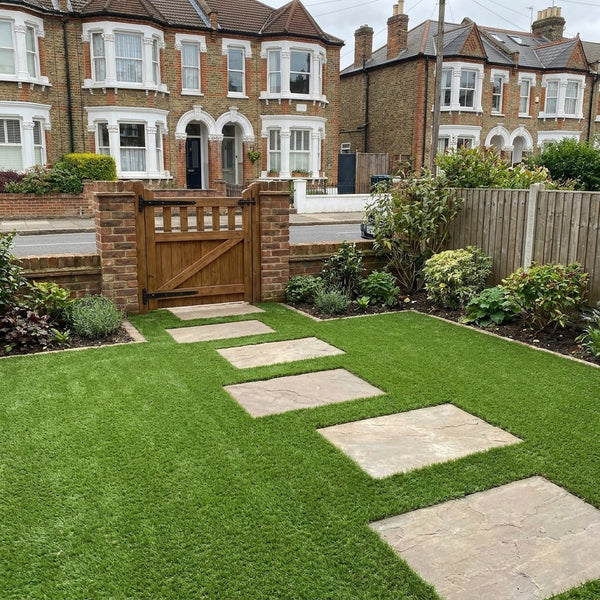
35mm Artificial Grass | Premium High-Density Synthetic Lawn | Multiple Sizes | Pet & Child Safe
From£21.99 (Inc. Vat)£27.99 (Inc. Vat)Incl. VAT
In Stock
20% OFF
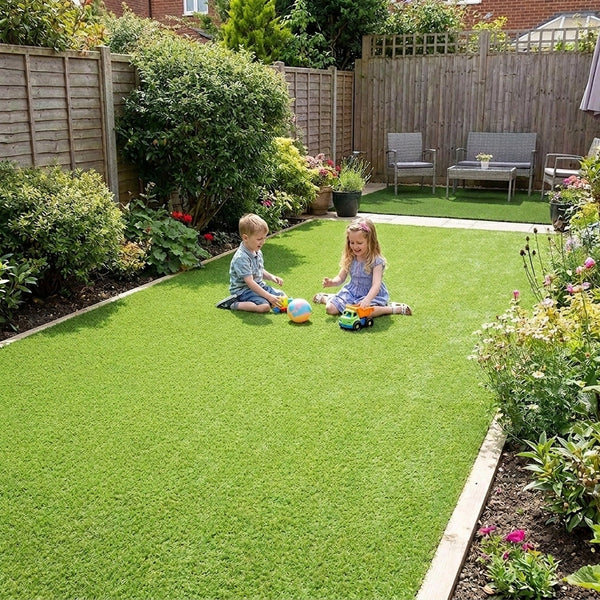
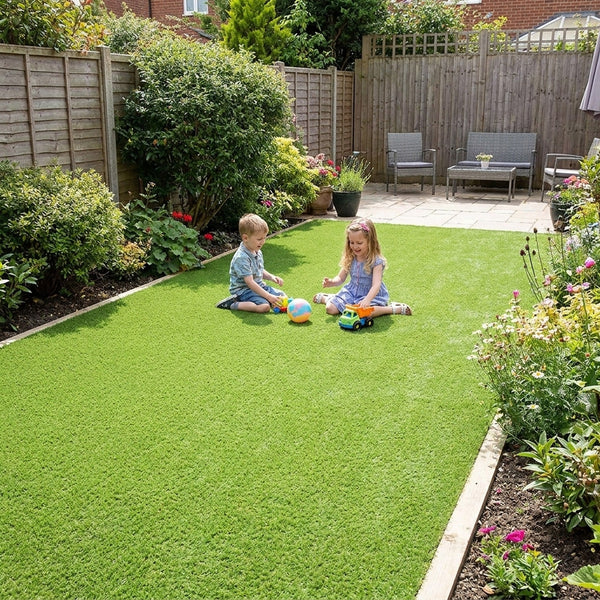
Artificial Grass Roll | UV Resistant | Pet & Child Friendly | Garden, Patio & Balcony
£79.99 (Inc. Vat)£99.99 (Inc. Vat)Incl. VAT
In Stock
Best Seller
20% OFF
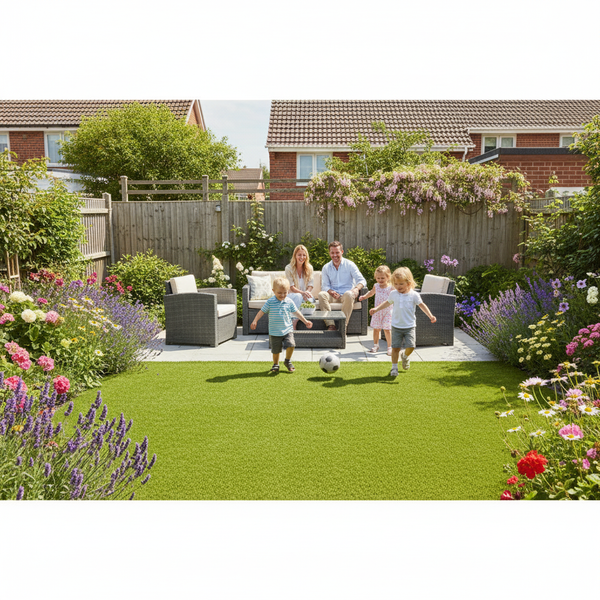
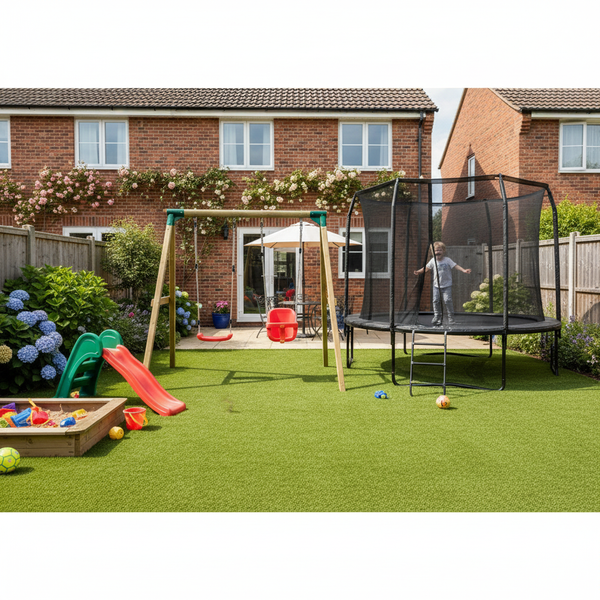
Premium 40mm Artificial Grass UK | Soft & Realistic Lawn
From£82.38 (Inc. Vat)£102.97 (Inc. Vat)Incl. VAT
In Stock
Best Seller

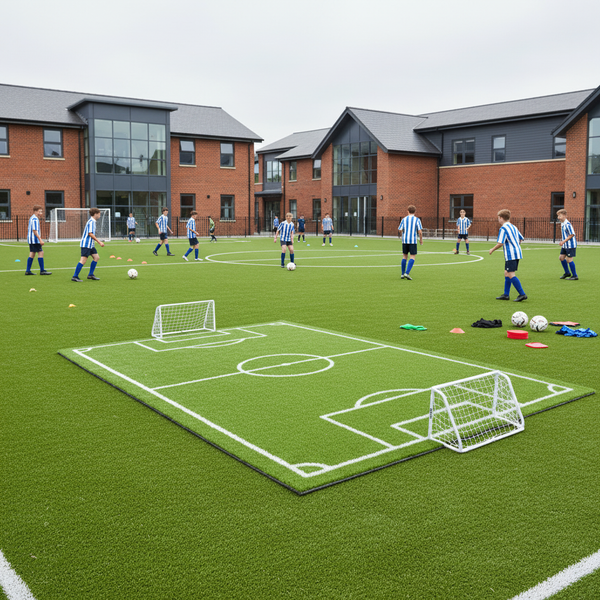
Football Practice Turf | Outdoor Sports Synthetic Grass | 2m Wide
From£2,435.88 (Inc. Vat)Incl. VAT
In Stock
Best Seller
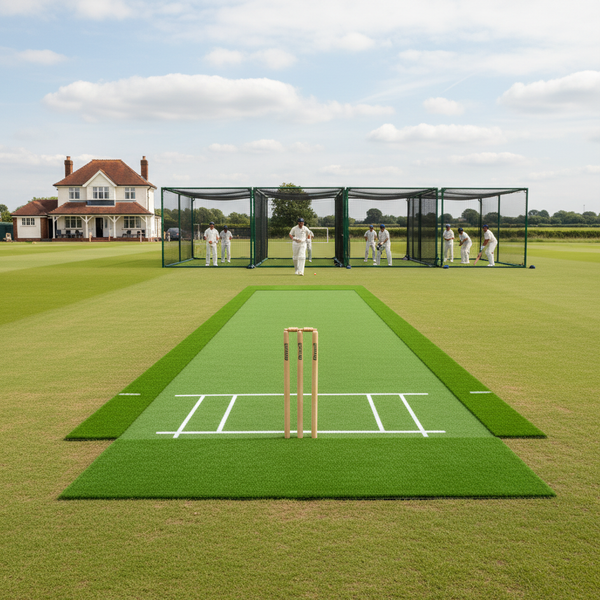
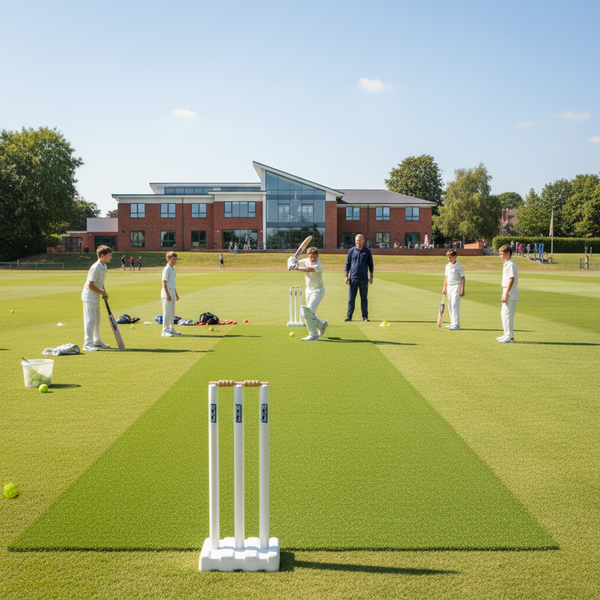
Cricket Practice Grass Matting | Match Wicket Synthetic Turf | 2m Wide
From£2,435.88 (Inc. Vat)Incl. VAT
In Stock
Best Seller
20% OFF
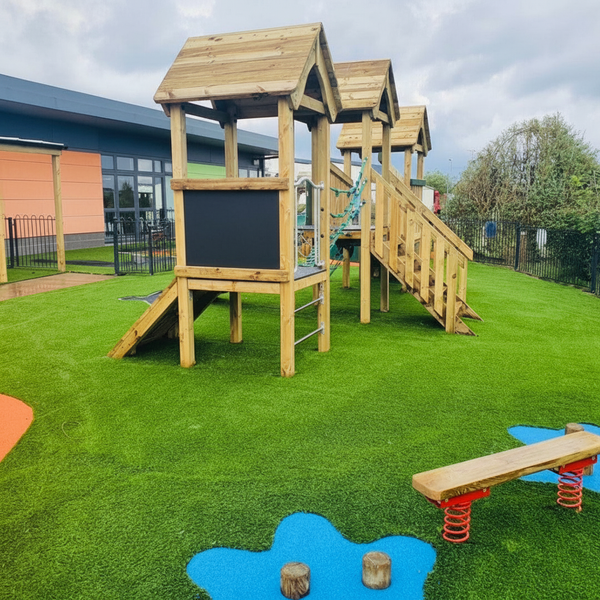
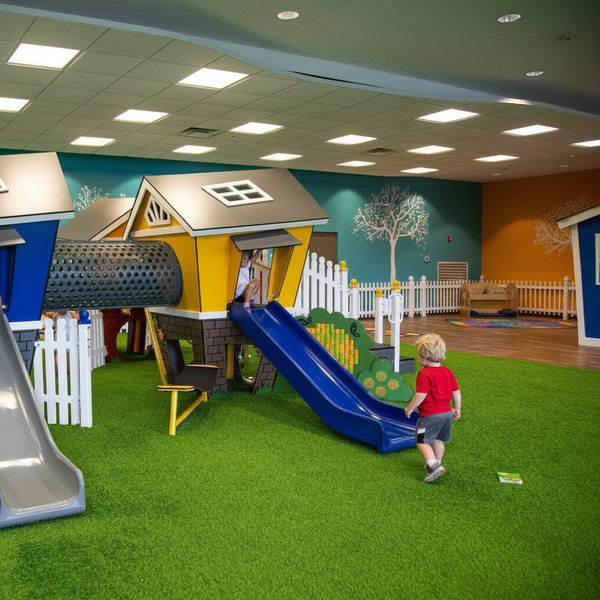
GardenMat Artificial Play Grass | Playground Safety Turf | 6 Colours | Anti-Fatigue | 2m Wide Roll
+1
From£2,435.88 (Inc. Vat)£3,044.85 (Inc. Vat)Incl. VAT
In Stock
Best Seller
20% OFF
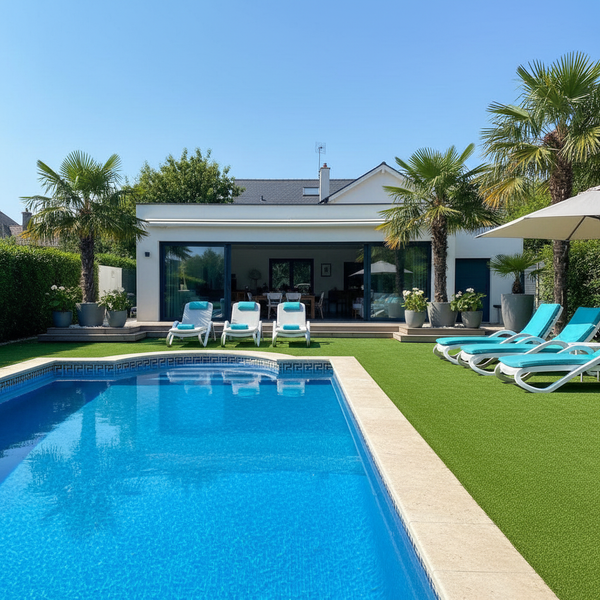
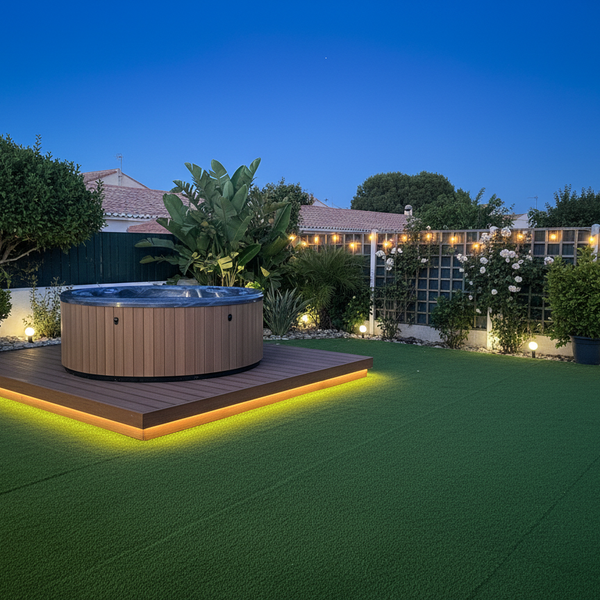
Non-Slip Swimming Pool Surround Artificial Grass 2m Wide | Hot Tub & Spa | GardenMat
From£2,435.88 (Inc. Vat)£3,044.85 (Inc. Vat)Incl. VAT
In Stock
Best Seller
20% OFF
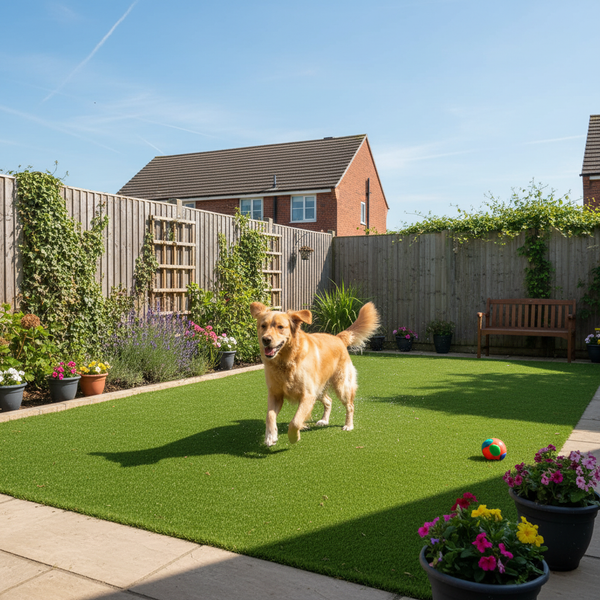
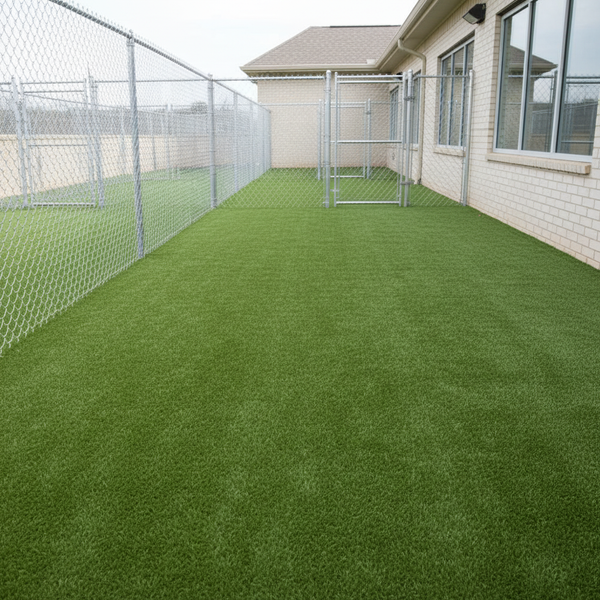
Pet Friendly Artificial Lawn Grass 2m Wide | Dog Kennels & Gardens | GardenMat
From£2,435.88 (Inc. Vat)£3,044.85 (Inc. Vat)Incl. VAT
In Stock
Best Seller
20% OFF
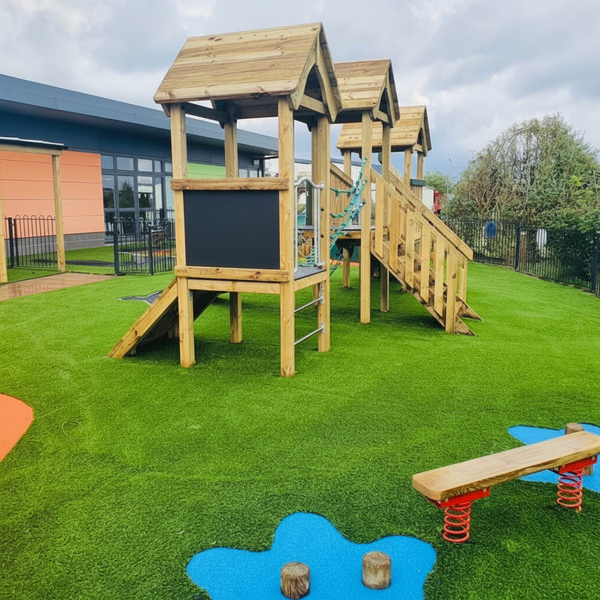
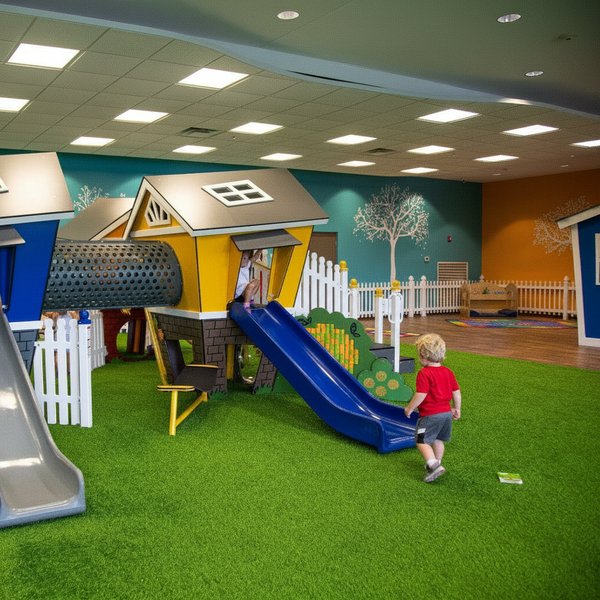
GardenMat Artificial Play Grass | Playground Safety Turf | 6 Colours | Anti-Fatigue | 2m Wide Roll
+1
From£2,435.88 (Inc. Vat)£3,044.85 (Inc. Vat)Incl. VAT
In Stock
Best Seller
20% OFF
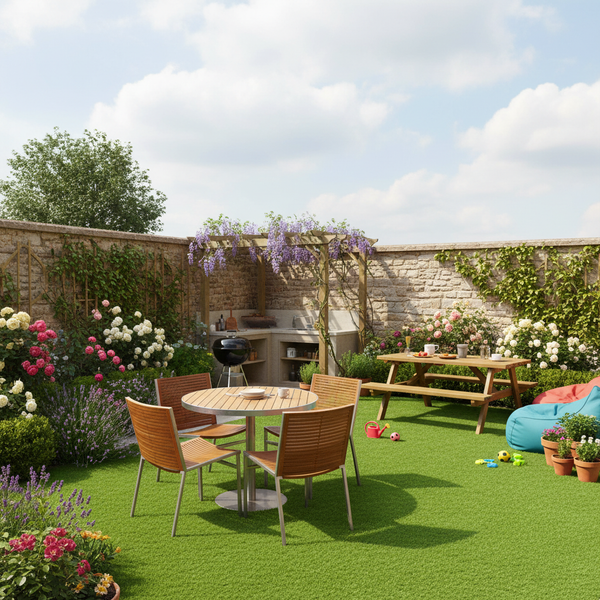
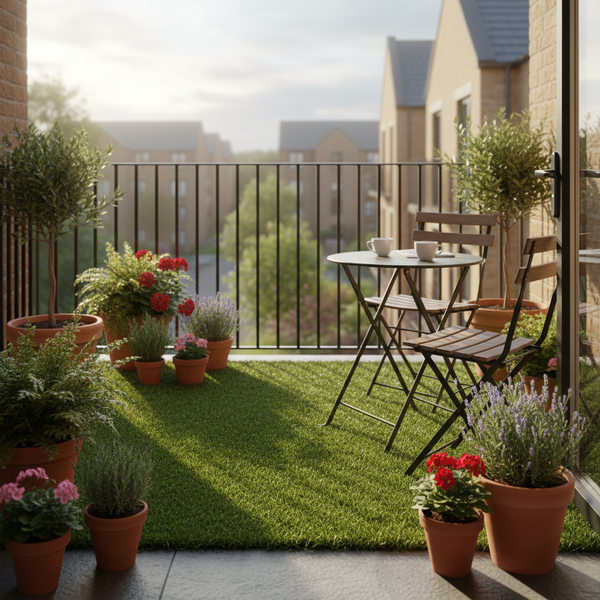
Garden Terrace Balcony Veranda Synthetic Lawn Grass | Premium Artificial Turf | 2m Wide | UK
From£2,435.88 (Inc. Vat)£3,044.85 (Inc. Vat)Incl. VAT
In Stock
Best Seller
20% OFF
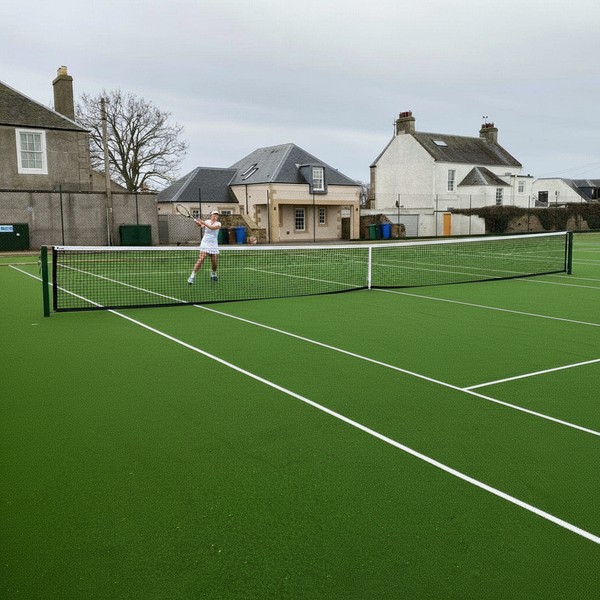
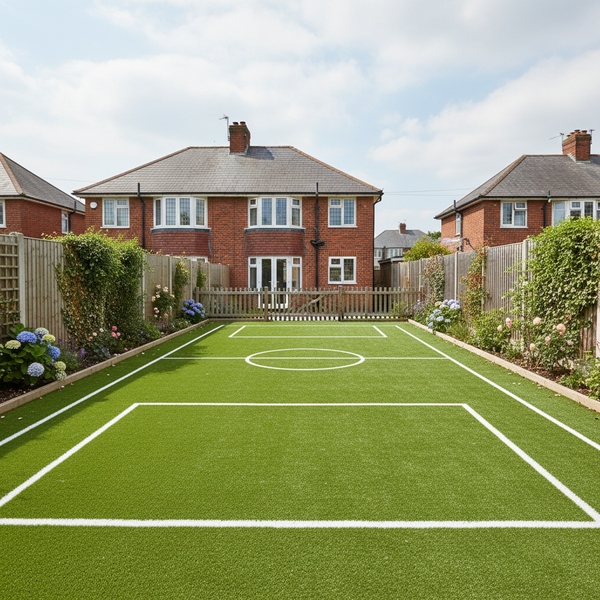
Tennis Court Artificial Grass | 2m Wide | Multi-Sport UV Stabilised Surface
From£2,435.88 (Inc. Vat)£3,044.85 (Inc. Vat)Incl. VAT
In Stock
Best Seller
20% OFF
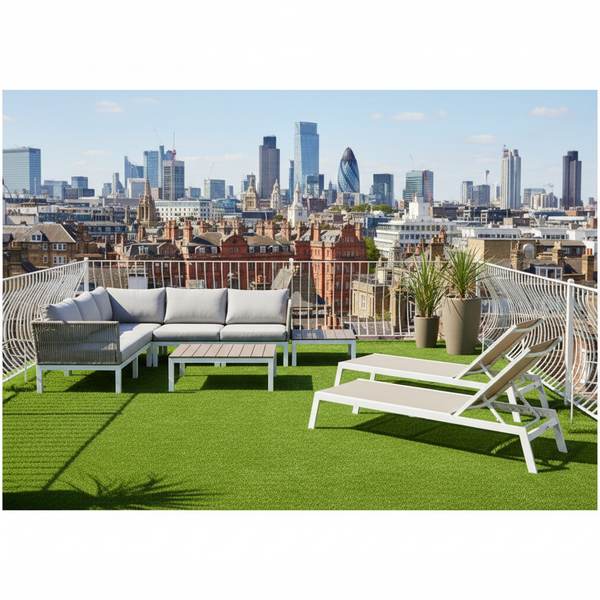
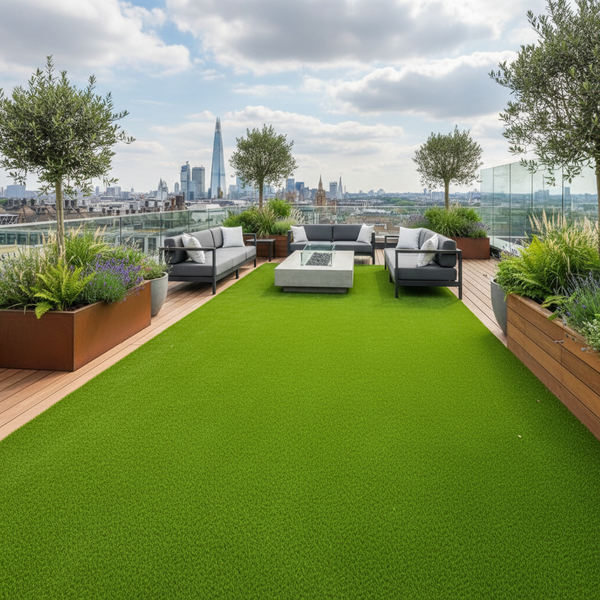
Rooftop Garden Artificial Lawn Grass | Premium Synthetic Turf | 2m Wide Roll | UK
From£2,435.88 (Inc. Vat)£3,044.85 (Inc. Vat)Incl. VAT
In Stock
Specification Reference — UK Rubber Matting Standards
| Standard | Covers | Required For |
|---|---|---|
| Workplace Regs 1992 Reg 12 | Floor suitability, slip/trip prevention | All commercial floors |
| BS 7976-2 (PTV) | Pendulum Test Value wet slip | All pedestrian surfaces |
| DIN 51130 (R-rating) | Industrial ramp slip test | Industrial, kitchen, wet |
| BS EN 1177:2018 | Playground impact attenuation | Playground safety |
| BS 8300 | Accessible building design | Public buildings |
| EC Regulation 852/2004 | Food hygiene floor requirements | Food businesses |
Compound Quick Reference
| Compound | Best For | Avoid For |
|---|---|---|
| SBR | Dry indoor general use, gym, stable | Oil/fuel contact, outdoor UV |
| EPDM | Outdoor, UV, chemical, steam | Oil/fuel contact |
| Nitrile (NBR) | Oil, fuel, hydraulic fluid | Outdoor UV, strong acids |
| Neoprene | Combined oil and weather | Aromatic solvents |
All Rubbermatting Direct products supplied with independent test certificates on request. Compound data sheets for HACCP and health & safety records. Same or next working day dispatch. Free UK mainland delivery. No minimum order. Cut to any size. Call 01282 277786.
What Our Customers Say
Verified reviews from UK buyers — Free UK delivery